

Chimney Tips & Info

What Signs Point to Chimney Damage in Twin Falls Homes?

Published July 22nd, 2026 by Safer Chimney LLC

Most homeowners think chimneys are just about fire and warmth. Burn the logs, enjoy the heat, forget about it. But every season wears on that structure — and if you're not watching, you're inviting expensive problems. Chimneys don't just hold smoke. They hold weight, manage moisture, and fight weather extremes. Especially in Twin Falls, where freeze-thaw cycles crack masonry faster than you'd expect.

What Signs Point to Chimney Damage in Twin Falls Homes?

So here's the deal. If you've got a chimney, it's going to show signs of wear eventually. The question is whether you catch them early or wait until something bigger breaks. Every crack has a reason. Every stain tells a story. And every ignored symptom costs more down the line — not just in repairs, but in safety risks you don't want lurking above your living room.

When Bricks Start Breaking Down

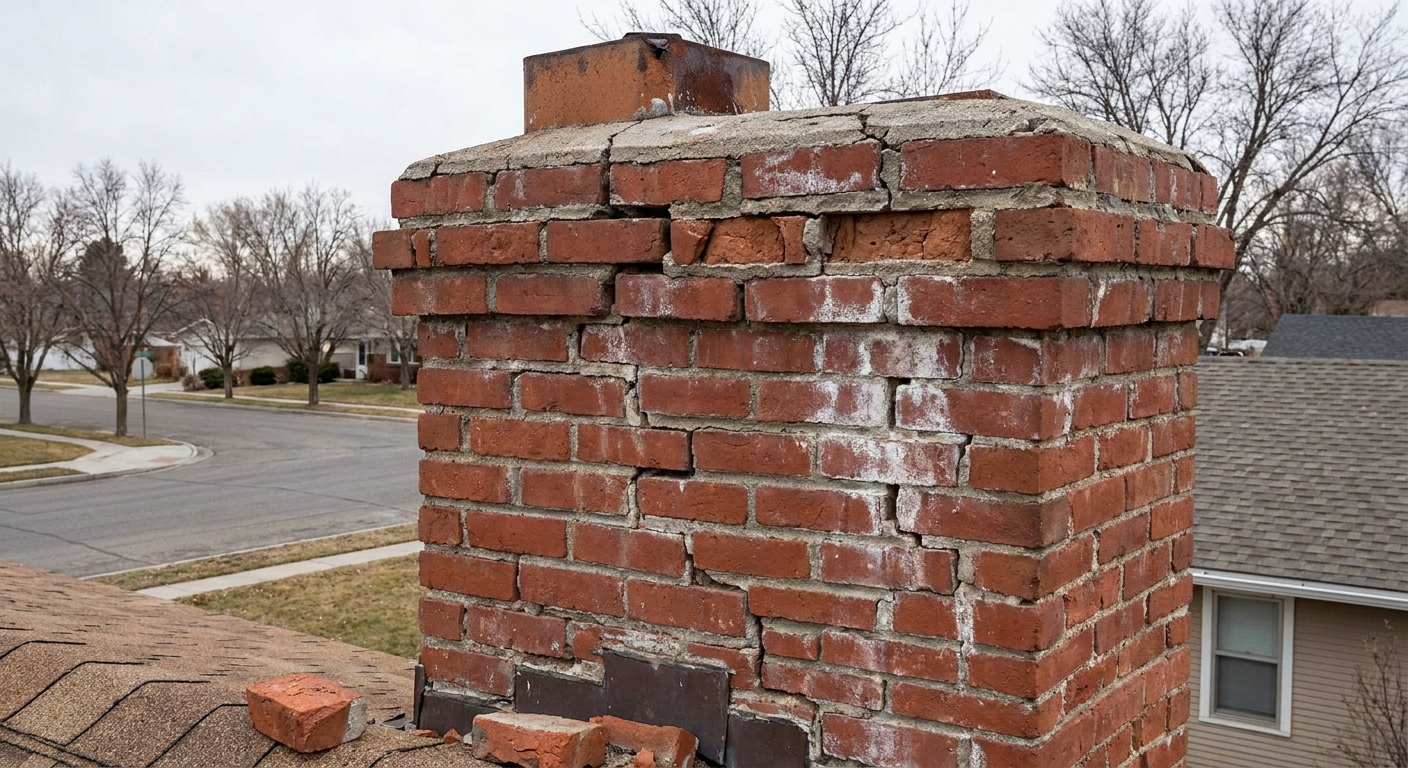
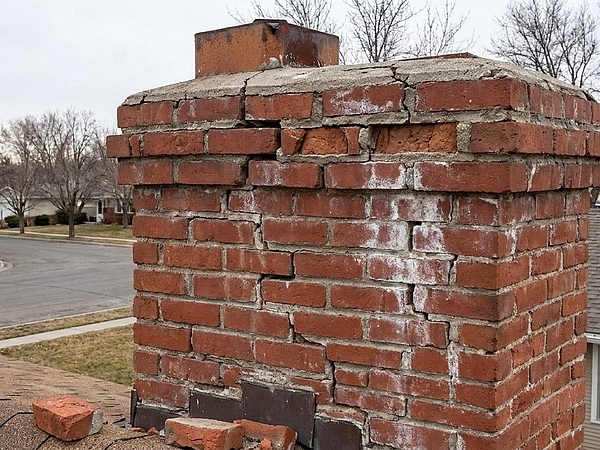
The outside of your chimney takes a beating year-round. Rain, snow, wind, temperature swings — all of it pounds the masonry. Twin Falls winters don't mess around, and when water seeps into tiny cracks and freezes, it expands. That expansion pushes bricks apart, crumbles mortar, and leaves gaps that get worse with every storm.

Walk around your chimney and look up. If you see loose bricks, missing chunks of mortar, or sections that look like they're peeling away, that's not cosmetic. That's structural. Ignoring it means the damage spreads, the chimney destabilizes, and eventually you're looking at a chimney rebuild instead of a patch job.

  • Cracked or crumbling mortar joints between bricks
  • Loose or displaced bricks near the top or midsection
  • Visible gaps where masonry has pulled away from the structure
  • Bricks that appear darker or water-stained after rain
  • Pieces of brick or mortar lying around the base of the chimney

That White Film Isn't Just Dust

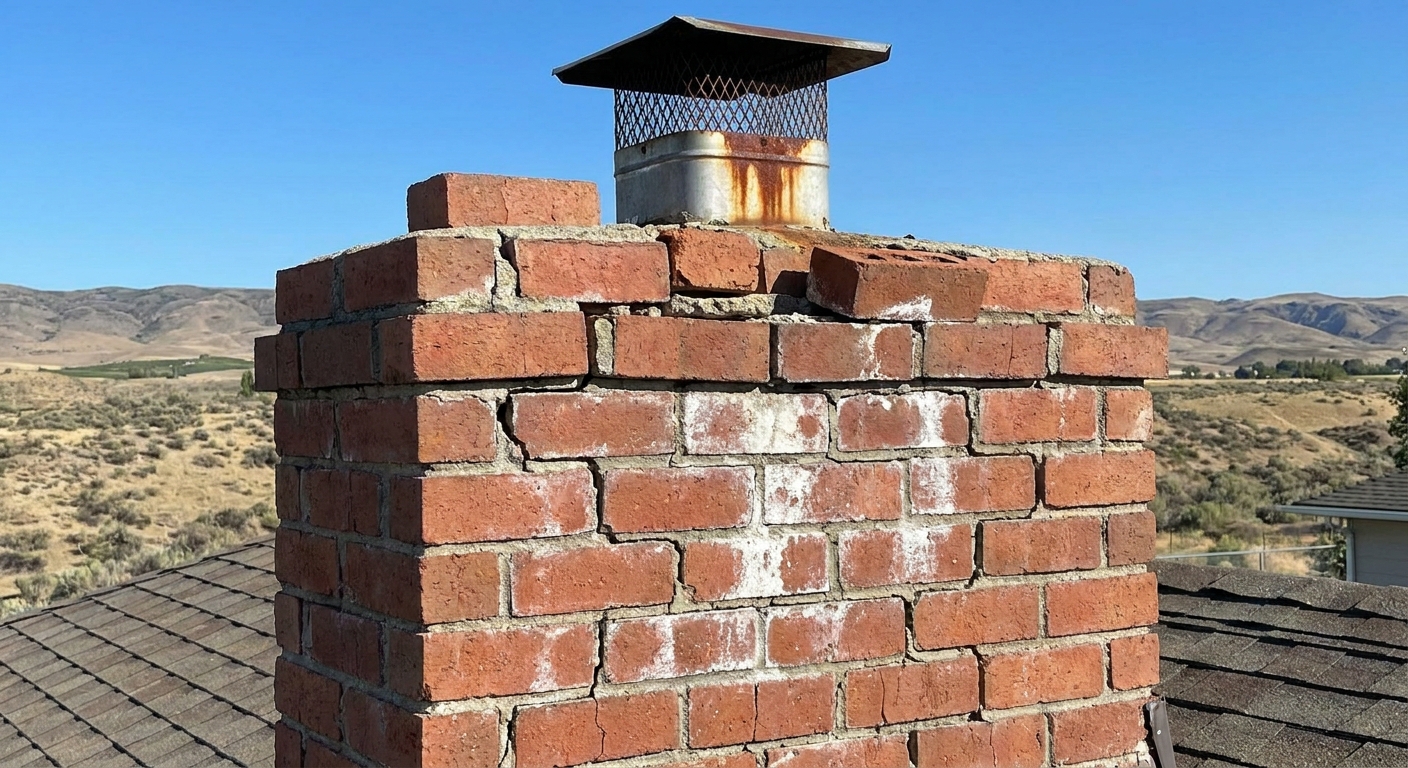
See a chalky white layer on your chimney bricks? That's efflorescence, and it means moisture is moving through the masonry. Water gets in, dissolves salts inside the brick, then evaporates on the surface — leaving that crusty residue behind. The stain itself won't hurt anything, but the water that caused it absolutely will.

Persistent moisture weakens bricks, corrodes metal components, and opens the door to mold and rot. If efflorescence keeps showing up after you clean it, you've got an ongoing leak somewhere. Find it before the damage goes deeper than what you can see.

  • White or grayish powder on brick surfaces
  • Staining that reappears even after washing
  • Damp spots on masonry during dry weather
  • Moisture trails running down from the crown or cap
  • Musty odors near the fireplace or chimney base

Rust Means Water Got In

Metal parts inside your chimney — the damper, the firebox, the flue liner — aren't supposed to rust. When they do, it's because water is reaching places it shouldn't. Rust weakens components, prevents dampers from sealing properly, and creates gaps that let cold air and moisture into your home.

Check the damper mechanism and look for orange or reddish-brown discoloration. If it's stiff, corroded, or won't close all the way, moisture has already compromised it. Replacing a damper is manageable. Replacing an entire flue system because rust ate through the liner? That's a different budget.

  • Visible rust on the damper handle or frame
  • Corroded metal inside the firebox
  • Damper that won't open or close smoothly
  • Flaking rust particles falling into the fireplace
  • Water stains on metal components after rain

When Bricks Start Flaking Off

Spalling is what happens when the outer face of a brick breaks away in chunks or flakes. It's caused by water soaking into the brick, freezing, and pushing the surface off from the inside. In Twin Falls, where temperature swings are constant, spalling accelerates fast. One season of freeze-thaw can do serious damage.

If you spot pieces of brick on the ground or see bricks that look pitted and crumbling, you're watching the chimney deteriorate in real time. Spalling doesn't stop on its own. It spreads, compromises structural integrity, and eventually leads to collapse if left unchecked. Professional full chimney repairs address spalling before it spreads to surrounding masonry.

  • Chunks or flakes of brick scattered around the chimney base
  • Pitted or pockmarked brick surfaces
  • Bricks that look thinner or eroded compared to others
  • Exposed inner layers where the outer face has broken off
  • Accelerated damage during winter months

The Cap Protects Everything Below It

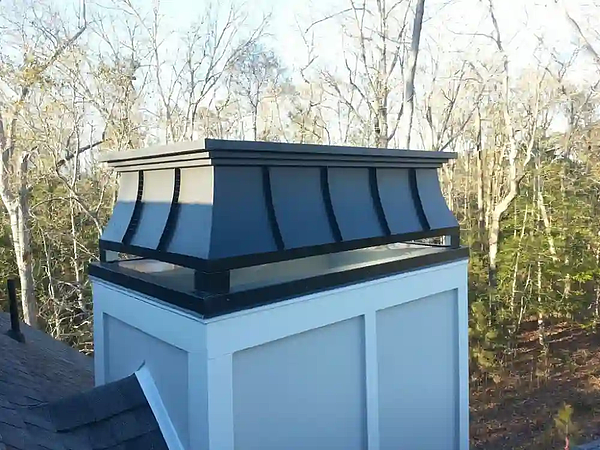
Your chimney cap is a simple metal or concrete cover that sits on top and keeps out rain, snow, debris, and animals. When it's damaged or missing, your chimney becomes a wide-open target for water intrusion and blockages. A few hundred dollars for chimney cap installation is nothing compared to the water damage that happens without one.

Inspect the cap at least twice a year. Look for cracks, rust, bent metal, or sections that have blown off entirely. If animals have been nesting or debris has piled up, the cap probably isn't doing its job anymore. Replace it before the next storm rolls through.

  • Cracks or holes in the chimney cap
  • Rust or corrosion on metal caps
  • Bent or dented sections that no longer seal properly
  • Missing cap entirely
  • Animal nests or debris buildup under or around the cap

Leaks Show Up Where You Least Expect Them

Water stains on your ceiling or walls near the chimney are a dead giveaway that moisture is getting in somewhere. It could be through cracked masonry, failed flashing, or a damaged crown. Wherever it's coming from, it's already causing damage you can't see — rotting wood, weakening drywall, and feeding mold growth behind the walls.

Don't wait for the stain to grow. Track down the source and fix it now. Water damage compounds fast, and what starts as a small leak can turn into a major structural repair if you let it sit.

Chimney leak damage signs in Twin Falls homes, including water stains and cracked masonry

The Crown Cracks and Everything Follows

The chimney crown is the concrete slab at the very top that seals the masonry and directs water away from the flue. When it cracks, water pours straight into the chimney structure. Freeze-thaw cycles make those cracks worse every winter, and before long you're dealing with internal damage that's expensive to access and fix.

Inspect the crown from a ladder or binoculars if you can't safely reach it. Look for hairline cracks, missing chunks, or sections that are starting to separate. If the crown is failing, repair or replacement should happen before the next wet season.

Why You're Getting Smoke in the House

Smoke backing up into your home means airflow is blocked or restricted. That could be creosote buildup, animal nests, debris, or structural damage that's closing off the flue. Whatever the cause, it's a safety hazard and needs immediate attention. Regular chimney cleanings prevent dangerous creosote accumulation and maintain proper airflow.

Foul odors are another red flag. If your fireplace smells musty, rotten, or smoky even when you're not burning anything, something's decaying or trapped inside the chimney. Get it inspected and cleaned before you light another fire. Sometimes blockages or deterioration require chimney relining to restore safe operation.

Protect What's Above Your Head

Chimneys don't fail overnight. They give you warnings — cracks, stains, rust, smells, sounds. Most homeowners miss those signs because they're not looking. But once you know what to watch for, catching problems early is simple. And early repairs are always cheaper, safer, and less disruptive than waiting for something to collapse or leak.

We recommend annual inspections and immediate action when damage shows up. Your chimney supports your home's safety and comfort. Treat it like the critical structure it is, and it'll keep working without drama for decades.

Let’s Keep Your Chimney Safe and Sound

Staying ahead of chimney damage means more peace of mind for all of us. If you’ve noticed any of these warning signs or just want a professional set of eyes on your chimney, let’s take care of it together before small issues become big headaches. Give us a call at 208-695-7542 or get a free estimate and we’ll help you protect your home for years to come.


‹ Back

Need A Free Estimate?

Reach out to us anytime, 24/7. With locations in Boise, McCall, and Twin Falls, we’re always nearby to serve you. Covering areas from Ontario, OR, to Rupert, ID, and everywhere in between, you can be confident there’s a skilled technician close to your location.