

Chimney Tips & Info

How Does a Chimney Reline Work for Boise Homes?

Published August 5th, 2026 by Safer Chimney LLC

Most Boise homeowners think chimneys just need an annual sweep. Clean it out, check the box, move on. But the flue liner is doing far more work than you probably realize — and when it fails, you're not just looking at inefficiency. You're looking at carbon monoxide risk, structural damage, and potential fire hazards. A damaged liner doesn't announce itself with alarms. It degrades quietly until something goes wrong.

How Does a Chimney Reline Work for Boise Homes?

Relining isn't about cosmetics. It's about restoring the barrier that keeps combustion gases contained and your home protected. Boise's freeze-thaw cycles don't help either — they speed up cracking in clay tile liners and expose gaps that weren't there five years ago. If your chimney is older than your mortgage, chances are the liner has seen better days.

What a Liner Actually Does

The flue liner creates a sealed pathway from your firebox to the roof. Without it, heat transfers directly into masonry, creosote eats away at mortar joints, and combustion byproducts seep into living spaces. It's the only thing standing between controlled venting and structural chaos.

Liners come in different materials — clay tile, stainless steel, aluminum, and cast-in-place options. Clay was the standard decades ago, but it cracks under thermal stress. Stainless steel has become the go-to in Boise because it handles temperature swings, resists corrosion, and works with wood stoves, gas stoves, or pellet stove systems. Aluminum is cheaper but only rated for certain gas appliances. Cast-in-place liners are poured directly into the flue and work well for chimneys with structural issues, though they cost more upfront.

When Boise Chimneys Start Breaking Down

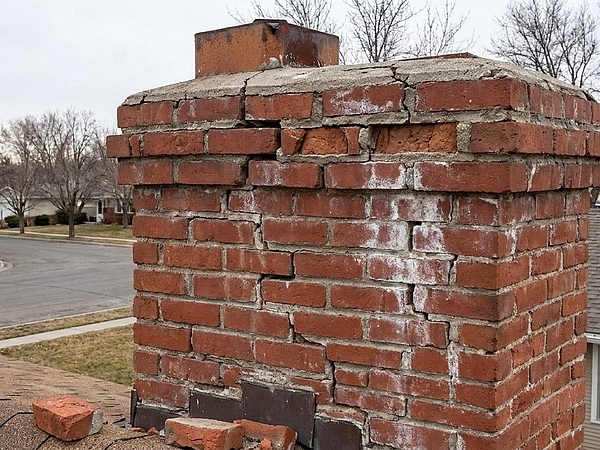
Cold winters and temperature extremes take a toll. Water gets into cracks, freezes, expands, and splits tiles apart. Add years of creosote buildup or a chimney fire that went unnoticed, and the liner's integrity is shot. Older homes built before modern codes may not even have a full liner — just exposed brick or block.

Here's what signals trouble:

  • Flue tiles with visible cracks or missing sections
  • Heavy creosote layers that won't fully clean off
  • Smoke backing up into the room during use
  • Persistent odors even when the fireplace is cold
  • Spalling or flaking on the chimney's interior walls

These aren't minor annoyances. They're warnings that your venting system is compromised. If the chimney can't contain heat and gases properly, your house becomes the overflow.

How the Relining Process Unfolds

Relining starts with a camera inspection. A certified sweep drops a high-res camera down the flue to see exactly what's broken, missing, or obstructed. From there, the chimney gets a deep cleaning to remove soot, creosote, and debris. You can't install a new liner over a dirty flue — it won't seat correctly and could trap moisture.

Once the flue is prepped, the technician selects the right liner based on your appliance type, flue dimensions, and local code requirements. Stainless steel liners are typically lowered from the top in sections or as one continuous flexible tube. Rigid liners are used when the flue is perfectly straight. The liner gets connected at the appliance and capped at the crown, then insulated if needed to prevent condensation and improve draft.

After installation, everything gets sealed — top plate, storm collar, and connection points. A smoke test or draft test confirms the system is venting correctly. No guesswork, no assumptions.

Why This Matters for Safety and Efficiency

A properly installed liner keeps your home safe and your heating system running as intended. Without it, you're burning fuel inefficiently, risking incomplete combustion, and exposing your family to carbon monoxide. Insurance companies know this too — many won't cover chimney-related claims if the liner is damaged or missing.

Relining also protects your masonry. Combustion gases are acidic. Over time, they eat through mortar and brick, causing expensive structural damage that goes far beyond the chimney itself. A liner stops that corrosion before it starts.

The performance boost is real too:

  • Better draft means cleaner burns and less smoke spillage
  • Reduced creosote buildup because gases vent more completely
  • Lower risk of chimney fires due to improved containment
  • Compliance with updated building and insurance codes

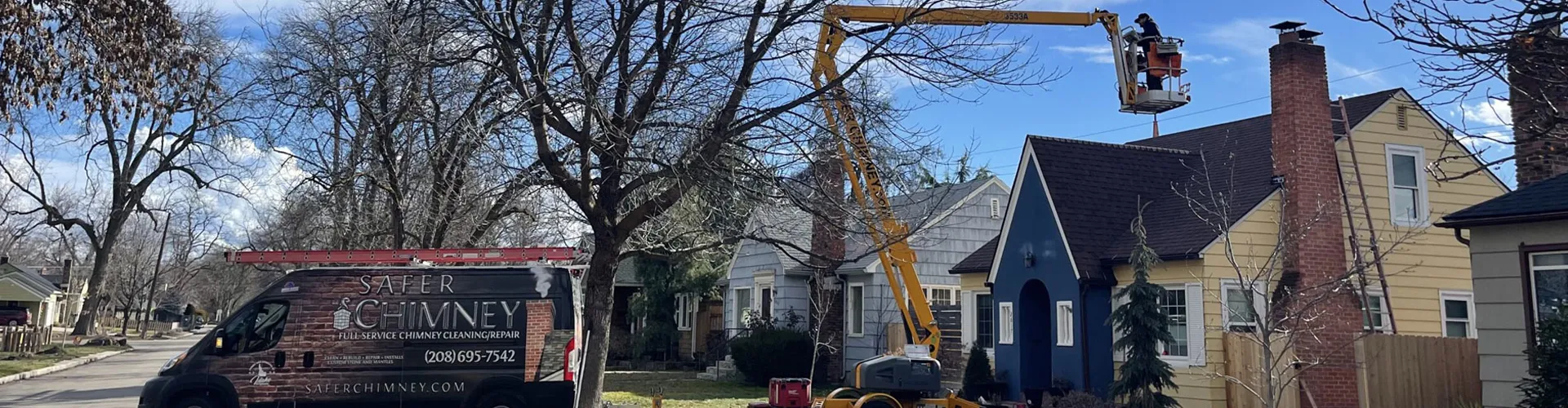
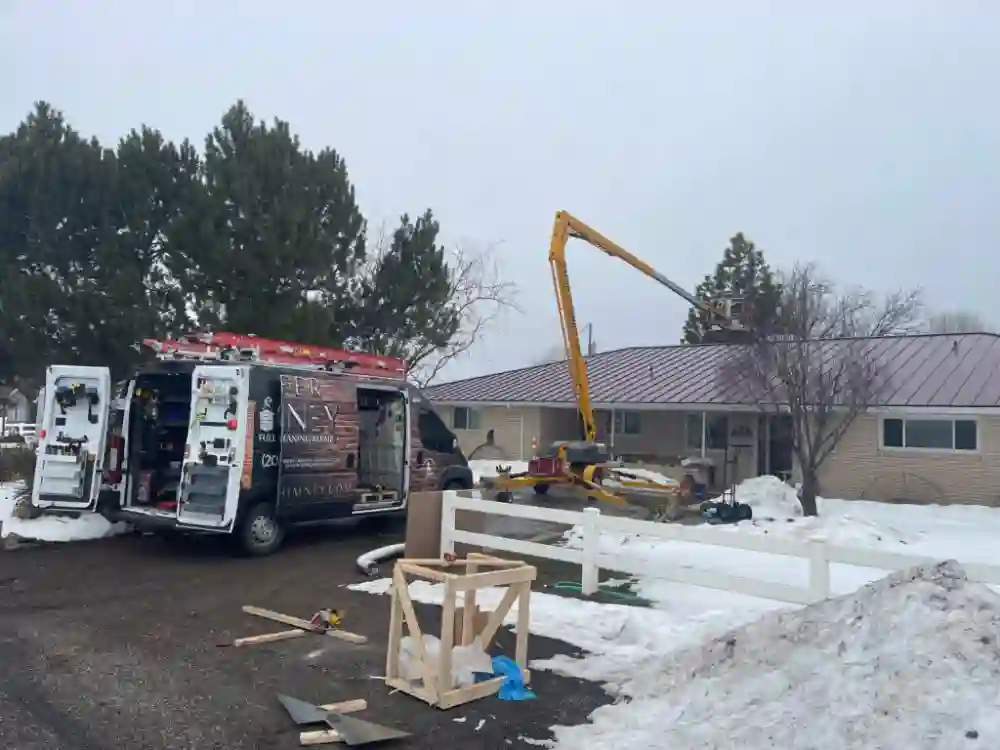
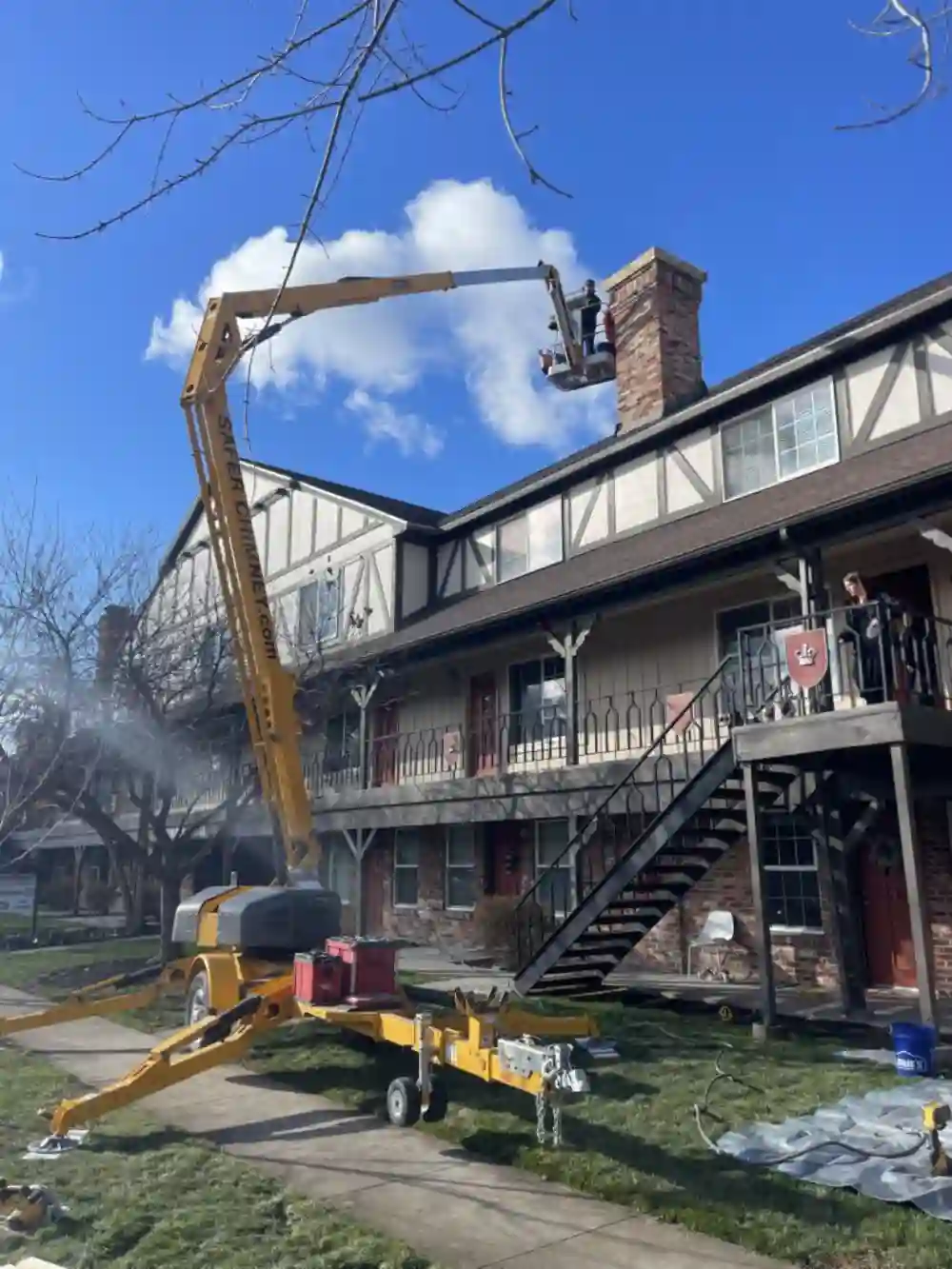
Chimney relining process for Boise homes showing liner installation and improved safety

Material Choices That Fit Boise Conditions

Stainless steel liners dominate the market here for good reason. They're rated for high temperatures, resist moisture damage, and last decades with minimal maintenance. Flexible versions work in chimneys with bends or offsets. Rigid liners fit straight runs and offer slightly better durability.

Aluminum liners are budget-friendly but limited to medium-efficiency gas appliances. They won't hold up to wood-burning temps. Cast-in-place liners are ideal for chimneys with serious structural problems — they reinforce the flue while providing a smooth venting surface. They're heavier on cost but solve multiple issues at once.

Your choice depends on what you're burning and what condition the chimney is in. A certified pro will walk through options based on your setup, not just what's easiest to install.

What It Costs and What It Prevents

Relining isn't cheap, but neither is rebuilding a chimney or dealing with a house fire. Prices vary based on liner type, flue height, and accessibility. Stainless steel installations typically run higher than aluminum, and cast-in-place jobs cost the most due to labor intensity.

But compare that to:

  • Repairing smoke damage from backdrafting
  • Replacing cracked masonry caused by heat exposure
  • Dealing with carbon monoxide poisoning incidents
  • Facing denied insurance claims after a chimney fire

Relining is preventive. It stops the slow-moving disasters that cost exponentially more down the line.

Finding Someone Who Knows What They're Doing

This isn't a DIY project. Chimney relining requires specialized tools, code knowledge, and experience with how different systems interact. Hiring someone without certification is a gamble — and not the fun kind.

Look for these credentials:

  • CSIA certification (Chimney Safety Institute of America)
  • Proper licensing and insurance in Idaho
  • Experience with stainless steel and cast-in-place installations
  • Willingness to provide a detailed inspection report before quoting
  • References from other Boise homeowners

A qualified technician won't just drop a liner in and call it done. They'll assess your entire venting system, check for code compliance, and make sure everything is sealed and tested before they leave.

Keeping Your Chimney Functional for the Long Haul

Relining restores safety and performance, but it's not a one-and-done fix if you ignore maintenance afterward. Annual inspections catch small problems before they escalate. Regular chimney cleanings keep creosote from building up and shortening the liner's lifespan. And if you're burning wood, seasoned firewood burns cleaner and produces less corrosive residue.

Boise winters are long. Your chimney works hard every season. Treating relining as an investment rather than an expense means you're protecting your home, your family, and your heating system all at once. When the liner is solid, everything else falls into place.

Let’s Make Your Chimney Safer Together

We know how important it is to keep your Boise home safe and warm all winter long. If you’re seeing signs your chimney liner might be failing, don’t wait for bigger problems to show up. Let’s talk about the best solution for your home and get your chimney back to peak performance. Call us at 208-695-7542 or get a free estimate today and let’s make sure your fireplace is ready for the season ahead.


‹ Back

Need A Free Estimate?

Reach out to us anytime, 24/7. With locations in Boise, McCall, and Twin Falls, we’re always nearby to serve you. Covering areas from Ontario, OR, to Rupert, ID, and everywhere in between, you can be confident there’s a skilled technician close to your location.