

Chimney Tips & Info

Do You Need a Chimney Cap Installed in McCall?

Published July 8th, 2026 by Safer Chimney LLC

Most homeowners think a chimney is just a vertical pipe. Smoke up, heat out. But McCall winters don't care what you think — and if you're running a bare flue, you're inviting trouble. Water, wildlife, debris, and downdrafts don't knock before they enter. And once they're in, the damage compounds fast.

Do You Need a Chimney Cap Installed in McCall?

So here's the reality. If you're heating with wood or gas up here, that chimney needs protection. Not someday. Not when something goes wrong. Right now. Every storm season without a cap is a gamble. Every critter that nests inside becomes a blockage. And every tax decision about your home's integrity should be grounded in how you maintain it — not how it looked when you bought it.

What a Cap Actually Does

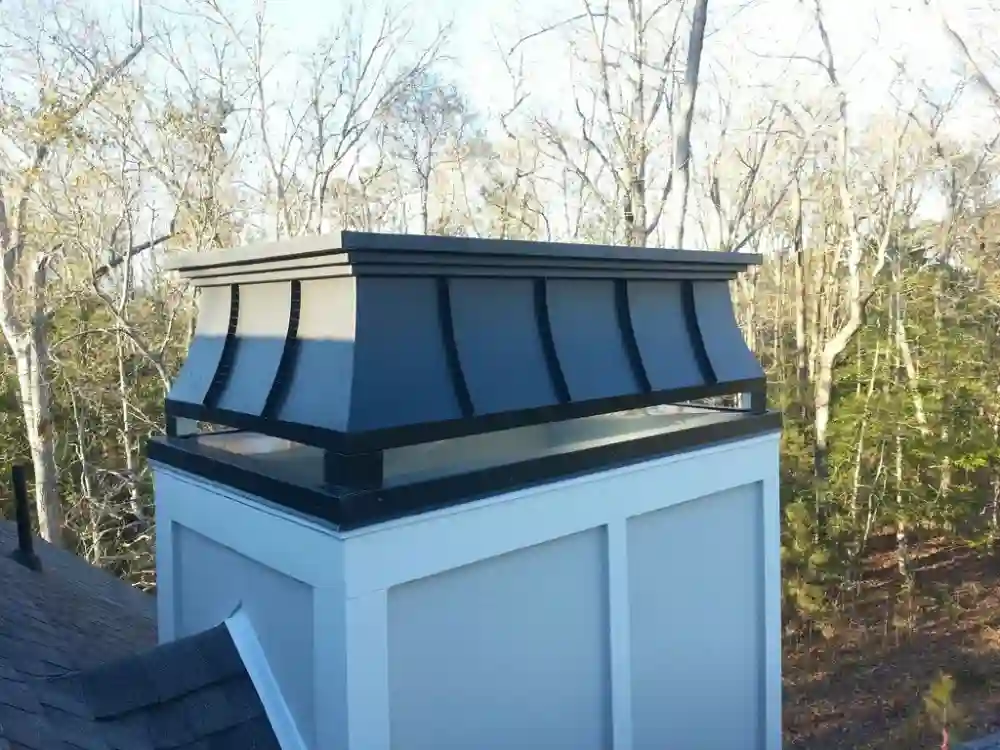
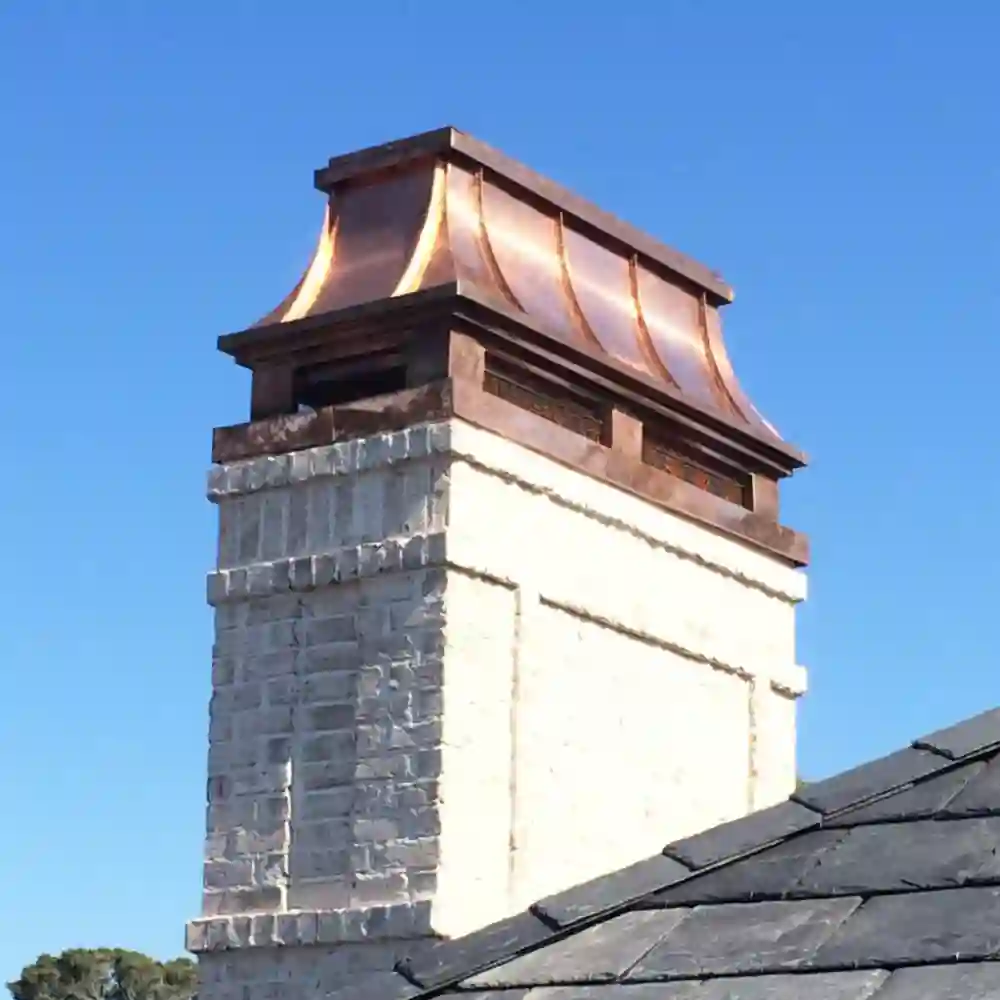
A chimney cap isn't decorative. It's a metal shield — usually stainless steel or copper — that covers the top of your flue. Think of it as the lid on a system that's otherwise wide open to the elements. Rain, snow, wind, animals, sparks — all of them hit that barrier instead of dropping straight into your home.

Caps come in different sizes and mesh gauges, but the function stays consistent. They block what shouldn't enter and let smoke exit cleanly. That's the deal. Simple physics, major impact.

McCall Weather Plays Rough

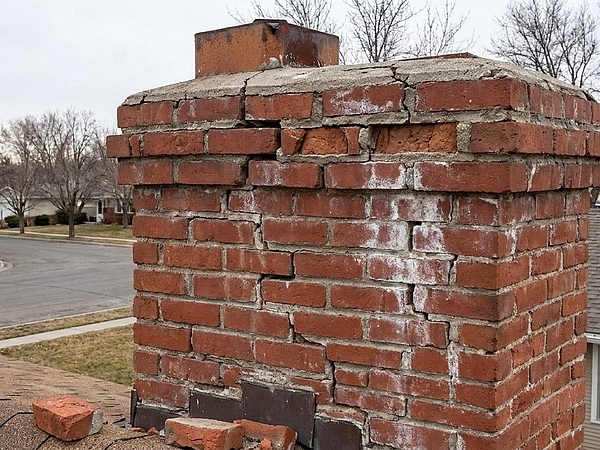
This isn't Phoenix. We get heavy snow, freezing rain, and wind that doesn't quit. Your chimney takes the brunt of it, and without a cap, moisture finds its way in. Once water enters, it soaks the liner, erodes masonry, and accelerates freeze-thaw cycles that crack mortar and brick.

Here's what an uncapped chimney invites:

  • Water intrusion that rots liners and damages masonry from the inside out
  • Wildlife nesting, especially birds and squirrels looking for shelter when temps drop
  • Debris accumulation from pine needles, leaves, and branches that clog airflow
  • Cold downdrafts that shove freezing air into your living room and tank your heating efficiency
  • Spark escapes that land on your roof or nearby dry materials, raising fire risk

When the Red Flags Show Up

Not sure if your chimney has a cap? Or whether the one up there still works? Look for these warning signs. Water stains around your fireplace mean moisture's getting in. Scratching or chirping sounds point to animals inside. Debris falling into the firebox tells you there's no screen doing its job.

Cold air pouring down your flue when the fireplace isn't in use? That's a downdraft problem. And if your existing cap is rusted, dented, or just gone, you're operating without protection. None of these issues fix themselves.

Picking the Right Cap

Not all caps are built the same. Cheap galvanized steel rusts out in a few seasons up here. Stainless steel and copper last decades, even when snow piles up and wind tries to rip them off.

Here's what matters when you're choosing:

  • Material durability — stainless steel resists corrosion, copper ages well and adds curb appeal
  • Proper fit for your flue size — too small and it restricts airflow, too large and it won't seal
  • Mesh gauge fine enough to block animals but open enough to let smoke through
  • Design that complements your roofline without looking like an afterthought

Installation Isn't a Weekend Project

Some homeowners think they can slap a cap on and call it done. But if it's not fitted correctly, it won't seal. If it's not secured properly, the next windstorm takes it off. And if your chimney has damage you didn't catch, the cap just covers up a bigger problem.

A certified chimney sweep measures the flue, inspects for cracks or blockages, and mounts the cap with hardware that won't budge. They also spot issues you wouldn't — liner damage, creosote buildup, or structural wear that needs fixing before the cap goes on. That's the difference between protection and a false sense of security. Professional chimney caps and damper installs ensure proper fit and long-term functionality.

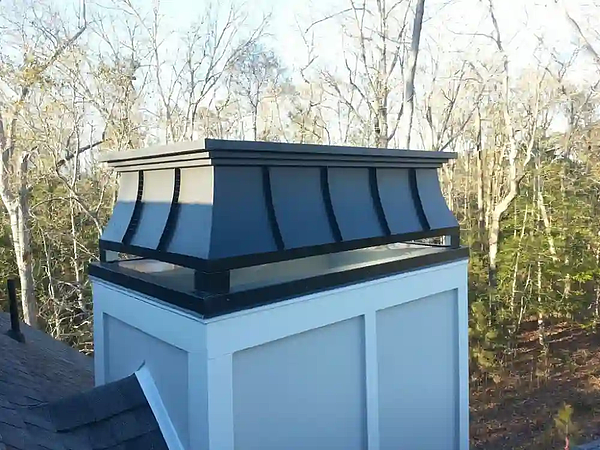
Chimney cap installation in McCall protects against water, animals, and weather damage

The Cost of Skipping It

Want to save a few hundred bucks by leaving your chimney uncapped? You'll spend thousands fixing water damage, pulling out animal nests, or repairing a chimney fire. The math isn't complicated.

Here's what you risk without a cap:

  • Masonry repair bills when freeze-thaw cycles crack the chimney stack
  • Liner replacement costs after years of moisture exposure
  • Pest removal fees and the cleanup that follows
  • Energy waste from cold air sinking into your home all season
  • Fire damage if sparks ignite your roof or nearby combustibles

Regular chimney cleanings combined with proper cap installation prevent costly repairs down the line. When structural damage occurs, full chimney repairs may become necessary, especially after prolonged exposure to the elements. In severe cases, chimney rebuilds are the only option, costing far more than preventive measures.

Why DIY Falls Short

You can watch a YouTube video and think you've got it figured out. But sizing the cap wrong, missing flue obstructions, or using the wrong fasteners turns a $300 fix into a recurring headache. Professionals carry liability insurance. They know building codes. They've installed hundreds of caps in conditions like yours.

If you're serious about protecting your investment, hire someone who knows what they're doing. It's not about ego. It's about getting it right the first time so you don't have to redo it next winter. Explore comprehensive chimney services to understand what professional care includes.

Protection That Pays Off

A chimney cap isn't glamorous. It won't show up in your listing photos or impress your neighbors. But it keeps your chimney functional, your home safe, and your repair budget in check. McCall winters are long, and chimneys are expensive to replace. Don't wait for water damage or a critter infestation to force your hand. If your liner shows signs of deterioration, consider chimney relines alongside cap installation for complete protection.

At the end of the day, this is about keeping what you own in working order. If your chimney's open to the sky, you're asking for trouble. Close it off. Get the right cap. And stop pretending the weather will go easy on you — because it won't.

Ready to Protect Your Chimney?

Let's make sure your home is ready for whatever McCall weather throws at it. We know how important it is to keep your chimney safe, dry, and animal-free all year long. If you're ready to stop worrying about water, critters, or costly repairs, give us a call at 208-695-7542. Or, if you want a straightforward quote with no surprises, get a free estimate and let’s get your chimney capped the right way.


‹ Back

Need A Free Estimate?

Reach out to us anytime, 24/7. With locations in Boise, McCall, and Twin Falls, we’re always nearby to serve you. Covering areas from Ontario, OR, to Rupert, ID, and everywhere in between, you can be confident there’s a skilled technician close to your location.