Chimney Tips & Info

Can Cracked Chimney Masonry in Nampa Be Repaired?

Published October 22nd, 2026 by Safer Chimney LLC

Most homeowners see a crack and think it's cosmetic. A little weathering, a bit of character. But masonry doesn't just crack for fun. It cracks because something's wrong — and if you ignore it, that something gets worse. In Nampa, where freeze-thaw cycles hammer bricks and mortar all winter long, chimney masonry takes a beating. The good news? Repair is absolutely possible. The bad news? Only if you catch it before the whole stack starts leaning.

Can Cracked Chimney Masonry in Nampa Be Repaired?

Here's what matters. Cracks aren't all the same. Some are surface-level and fixable with a trowel and an afternoon. Others signal foundation shifts, water infiltration, or structural failure that demands a full chimney rebuild. The difference between a $300 fix and a $10,000 teardown often comes down to how fast you move — and whether you treat the symptom or the cause.

What Makes Nampa Masonry Crack in the First Place

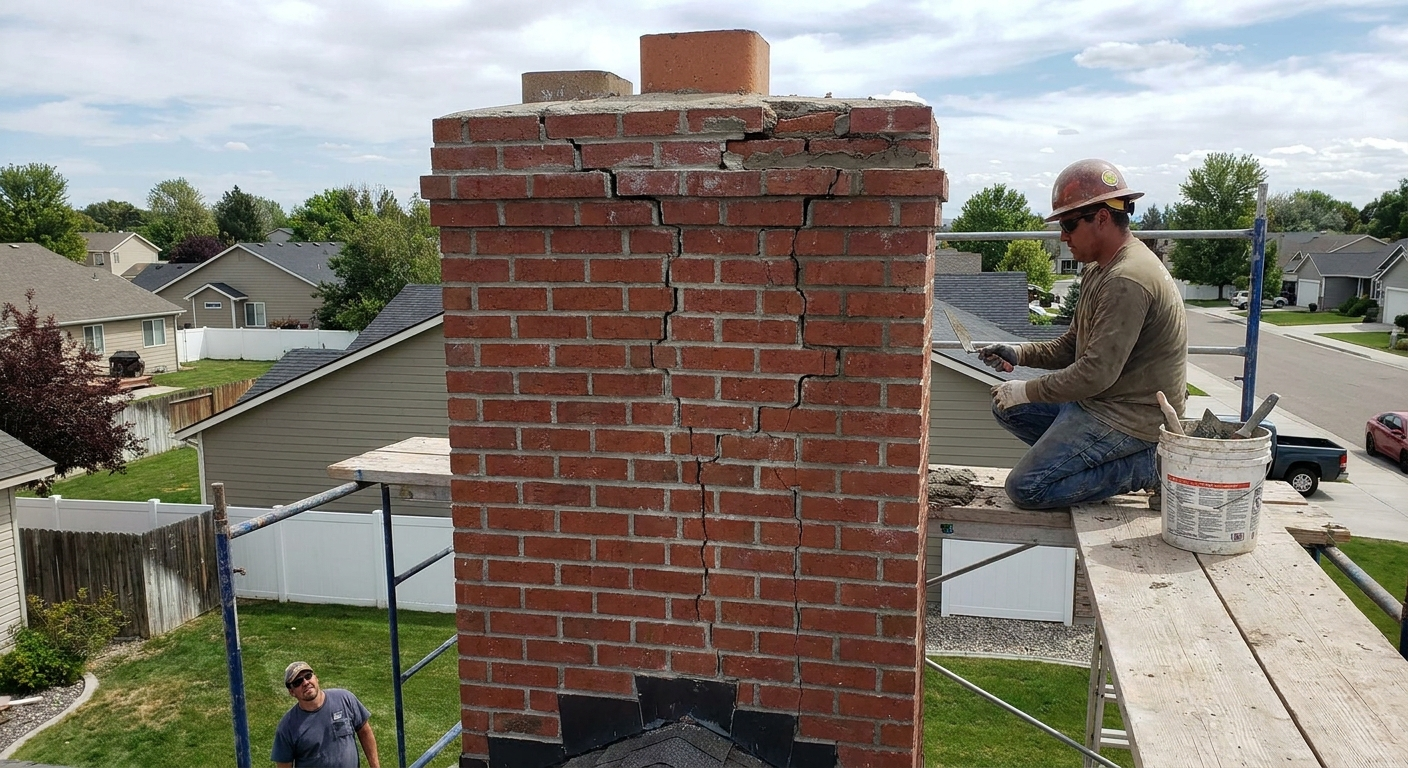
Chimneys don't fail overnight. They fail slowly, one freeze at a time, one rainstorm after another. Nampa's climate is brutal on masonry because it doesn't pick a lane. You get cold snaps that freeze moisture inside the brick, then warm spells that thaw it out and let more water seep in. Repeat that cycle a few dozen times, and the mortar starts to crumble. The bricks start to spall. And before you know it, you've got a crack running from the roofline to the flue.

But weather isn't the only culprit. Settling foundations shift the chimney just enough to stress the joints. Poor original construction leaves weak spots that give out under pressure. And if your chimney crown was never sealed properly, water's been working its way down for years. By the time you notice the crack, the damage is often deeper than it looks. Addressing these issues early through full chimney repairs can prevent costly structural damage.

  • Freeze-thaw cycles that expand and contract masonry until it splits
  • Foundation settling that pulls the chimney out of alignment
  • Water infiltration through damaged crowns or missing caps
  • Substandard mortar mixes that deteriorate faster than the brick
  • Lack of routine maintenance that lets small issues compound

When Tuckpointing Gets the Job Done

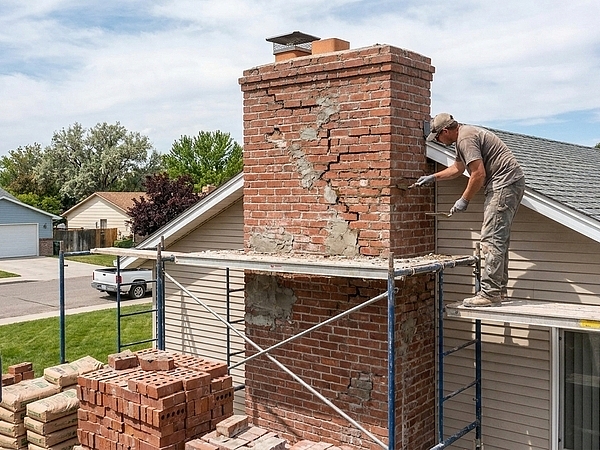
If the cracks are in the mortar joints and the bricks themselves are still solid, tuckpointing is your move. This process grinds out the damaged mortar, cleans the joints, and packs in fresh material that matches the original. It's not glamorous, but it works. And it stops water from getting behind the brick, which is where the real destruction happens.

Done right, tuckpointing can add decades to a chimney's life. Done wrong, it's a cosmetic Band-Aid that peels off in two winters. The key is matching the mortar mix to the existing material and making sure the joints are deep enough to hold. If you hire someone who slaps it on and walks away, you'll be calling someone else in a year.

Replacing Damaged Bricks Without Tearing Down the Whole Thing

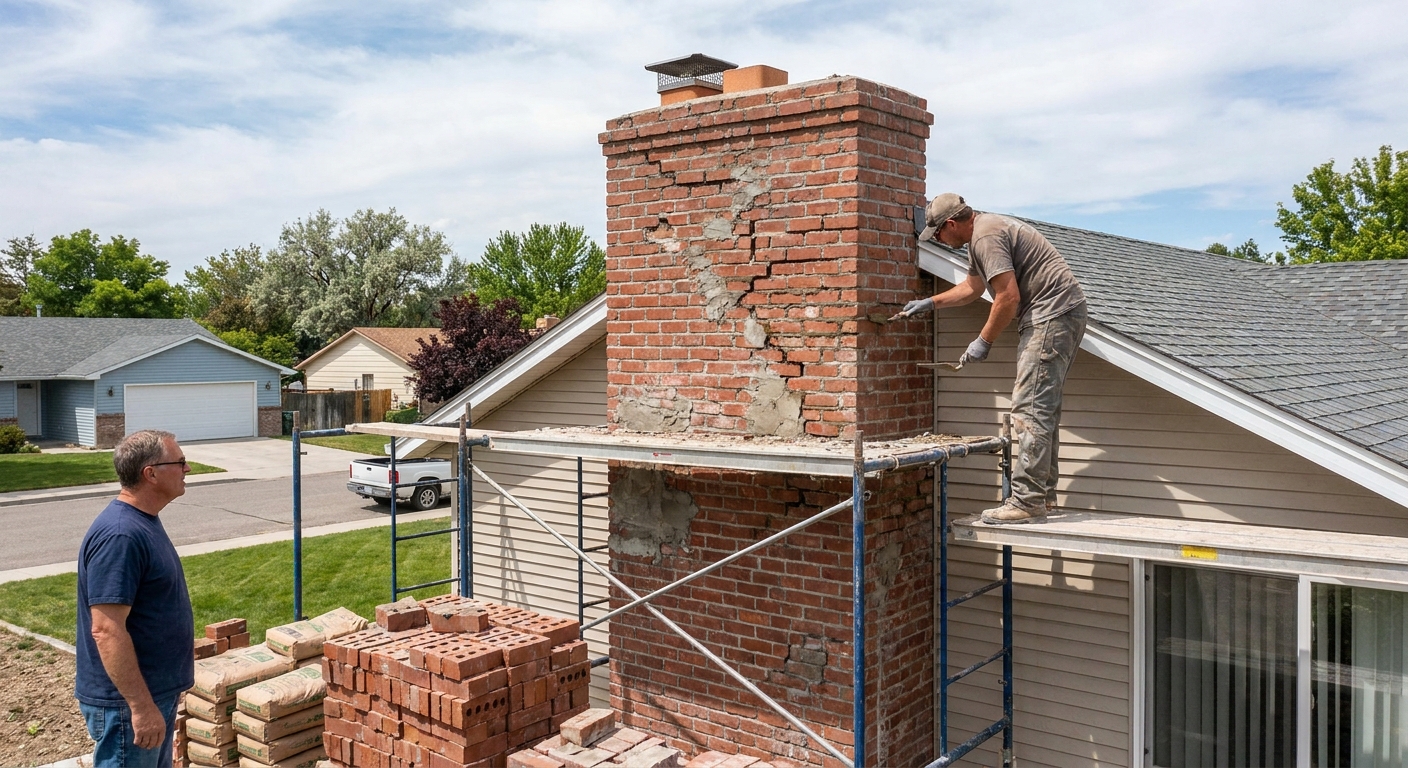
When the brick itself is cracked, spalling, or missing chunks, tuckpointing won't cut it. You'll need to pull the damaged units and swap in new ones. This is where craftsmanship matters. The replacement brick needs to match the size, color, and absorption rate of the originals, or you'll end up with a patchwork that looks off and performs worse. worse.

Brick replacement is more invasive than tuckpointing, but it's still miles cheaper than a full rebuild. The trick is knowing when to stop. If you're replacing more than a third of the visible masonry, you're probably better off tearing it down and starting fresh. Otherwise, you're pouring money into a structure that's already compromised.

  • Matching brick type and mortar color to maintain structural and visual consistency
  • Removing only the damaged sections to preserve the sound masonry
  • Ensuring proper bonding so new bricks don't pop out in the next freeze
  • Addressing the root cause so the new bricks don't crack in the same spot
  • Using breathable sealants that don't trap moisture behind the repair

The Crown Deserves More Attention Than It Gets

Most homeowners don't even know their chimney has a crown. But that sloped concrete cap at the top? It's your first line of defense against water. And when it cracks, every rainstorm funnels moisture straight into the masonry. Crown cracks are sneaky. They start small, often invisible from the ground, and by the time you see them, the flue's already soaked.

Repairing a crown means sealing the cracks or, if it's too far gone, pouring a new one. Some contractors will just slap tar over the damage and call it good. That's not a repair — that's a delay. A proper crown rebuild involves removing the damaged material, installing a form, and pouring a sloped cap that sheds water away from the flue. Add a chimney cap on top, and you've got real protection.

Waterproofing Buys You Time

Once the cracks are patched and the masonry is sound, waterproofing the exterior is one of the smartest moves you can make. These sealants soak into the brick and mortar, creating a barrier that repels water while still letting vapor escape. It's not a substitute for proper repair, but it's a solid insurance policy.

Not all sealants are created equal. Some cheap products trap moisture and make things worse. Look for breathable, vapor-permeable formulas designed specifically for masonry. And don't expect it to last forever — reapplication every few years keeps the protection intact.

  • Breathable sealants that block rain but allow trapped moisture to escape
  • Application after all repairs are complete and the masonry is dry
  • Reapplication every three to five years depending on exposure
  • Products rated for Nampa's freeze-thaw conditions
  • Professional application to ensure even coverage and full penetration

Chimney masonry crack repair in Nampa, Idaho

Knowing When Repair Becomes Rebuilding

Sometimes the cracks are just the visible part of a bigger problem. If the chimney is leaning, if there are horizontal cracks running through multiple courses, or if the interior flue liner is damaged, you're in rebuild territory. A partial teardown and reconstruction might be necessary to stabilize the structure and bring it up to code. In some cases, a complete chimney reline may be required to ensure safe venting.

This isn't about scaring you into spending more. It's about not wasting money on repairs that won't hold. A professional inspection will tell you whether the foundation is sound, whether the flue is intact, and whether the existing masonry can handle another decade of use. If the answer is no, rebuilding now saves you from a collapse later.

Why Waiting Makes Everything Worse

Cracks don't heal themselves. They spread. Water gets in, freezes, expands, and makes the crack wider. Mortar crumbles. Bricks spall. And what started as a $500 tuckpointing job turns into a $12,000 rebuild because you waited two more winters.

Beyond the cost, there's the safety factor. A compromised chimney can leak carbon monoxide into your home. It can catch fire if creosote builds up in damaged flue liners. And in extreme cases, it can collapse, taking part of your roof with it. Regular chimney cleanings and inspections can help identify these issues before they become dangerous. The time to fix it is now — not after the next storm or the next heating season.

  • Water damage that compounds with every freeze-thaw cycle
  • Structural instability that worsens as cracks spread
  • Fire hazards from damaged or exposed flue liners
  • Carbon monoxide risks if the flue isn't venting properly
  • Higher repair costs the longer you delay action

Finding Someone Who Knows Masonry

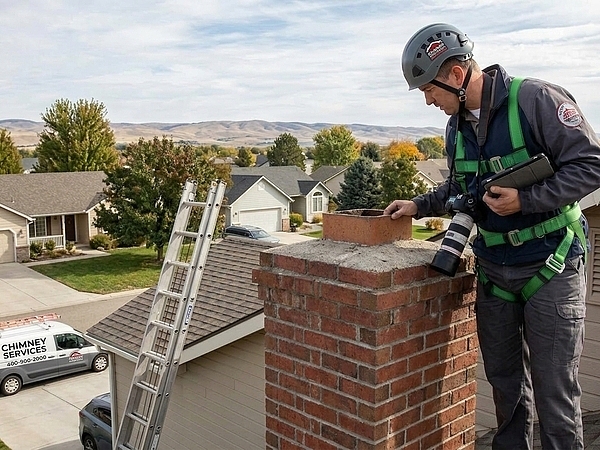
Not every contractor understands chimneys. And not every chimney sweep understands masonry repair. You need someone who's done both — someone who can spot a structural issue, match mortar correctly, and won't try to upsell you on work you don't need. Check their credentials. Ask for photos of past jobs. And make sure they're licensed and insured in Idaho.

A good mason will inspect the entire chimney, not just the crack you called about. They'll check the crown, the flashing, the flue, and the foundation. They'll tell you what's urgent and what can wait. And they'll give you a written estimate that breaks down materials, labor, and timeline. If someone shows up and quotes you over the phone without climbing a ladder, walk away. For comprehensive chimney services, choose a contractor who performs thorough inspections and provides transparent pricing.

Cracks Are Fixable Until They're Not

Chimney masonry in Nampa can absolutely be repaired — as long as you treat it like the structural issue it is. Tuckpointing, brick replacement, crown work, and waterproofing all have their place. But only if you move before the damage moves faster than you do. The difference between a manageable fix and a full teardown is timing. And the homeowners who come out ahead are the ones who don't wait for the crack to decide for them.

Let’s Restore Your Chimney’s Strength

We know how important it is to keep your home safe and your chimney in top shape, especially with Nampa’s unpredictable weather. If you’ve spotted cracks or suspect your chimney needs attention, let’s tackle the problem together before it grows. Call us at 208-695-7542 to speak with our team, or get a free estimate and see how we can help you protect your home for years to come.


‹ Back

Need A Free Estimate?

Reach out to us anytime, 24/7. With locations in Boise, McCall, and Twin Falls, we’re always nearby to serve you. Covering areas from Ontario, OR, to Rupert, ID, and everywhere in between, you can be confident there’s a skilled technician close to your location.