

Chimney Tips & Info

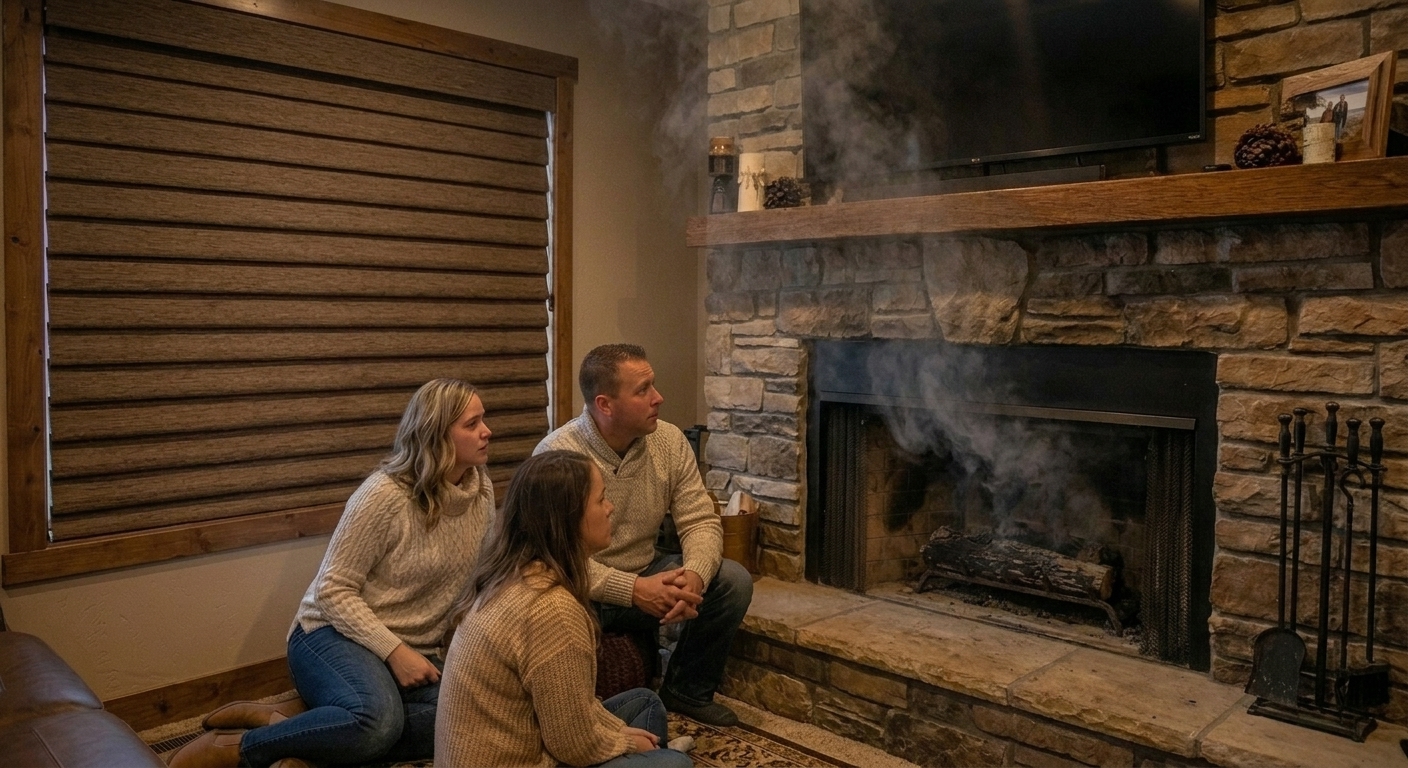
What Causes Smoke to Back Up Into Your Home in Twin Falls?

Published September 2nd, 2026 by Safer Chimney LLC

Most homeowners think fireplaces are just about warmth and atmosphere. Light it up, watch it burn. But your chimney sees more than that — and if you don't, you're asking for smoke in your living room. Draft issues may not show up every fire, but they do leave a mark on your air quality and safety. Especially if you're ignoring maintenance or burning questionable fuel.

What Causes Smoke to Back Up Into Your Home in Twin Falls?

So here's the deal. If you're using a fireplace or wood stove to heat something real, that's great. Just don't treat that flue like it runs itself. Every fire should have proper ventilation. Every backup needs investigation. And every heating decision should be grounded in how the system was maintained — not just how it looked when you moved in.

Creosote Buildup Chokes the Flue

Nine times out of ten, smoke backup starts with a dirty chimney. You burn wood, it leaves residue — that's creosote, not clean airflow. The system doesn't care how often you use it, only whether it's been cleaned and whether obstructions are blocking the path.

But if that buildup gets thick? Different story. Restricted flues can't vent properly, especially when the layer of tar-like residue narrows the passage. We saw this play out in real time with older homes in Twin Falls. Plenty of homeowners thought chimney cleanings were optional — they weren't. And when airflow gets choked, smoke expects to find another exit unless you clear the blockage fast.

Cold Air Sits Heavy in the Stack

You can't fix draft problems without understanding temperature — that's basic thermodynamics. But the cold column inside your flue? That's often where the trouble starts. Twin Falls winters leave chimneys freezing, especially exterior ones exposed to the elements.

Here's where that matters most:

  • Exterior chimneys lose heat faster and hold cold air longer than interior stacks
  • Moisture from snow or rain cools masonry and makes initial drafting nearly impossible
  • Starting a fire without preheating the flue forces smoke to fight against dense, stagnant air
  • Rolling newspaper and lighting it first warms the column and establishes upward flow
  • Insulated flue liners help retain heat and improve performance during cold snaps

Your House Is Too Tight for Its Own Good

Want proper draft? You'll need to understand air balance — and that your home needs makeup air to replace what the fire consumes.

Modern construction has three main problems:

  • Energy-efficient sealing creates negative pressure when exhaust fans run
  • Range hoods, dryers, and bathroom vents pull air out faster than it can return
  • Fireplaces compete with mechanical systems for available oxygen, and they lose

Fail to account for that, and the draft collapses. Even if the chimney itself is clean and functional. And if you're running multiple exhaust sources while burning? That smoke's coming back inside. No partial fixes by opening one window halfway and hoping for balance.

Twin Falls Has a Cap on Calm Days and None on Windy Ones

If your area experiences unpredictable wind patterns, there's a real impact on how smoke exits your flue. Downdrafts caused by gusty conditions can reverse the flow and push combustion gases back into your living space.

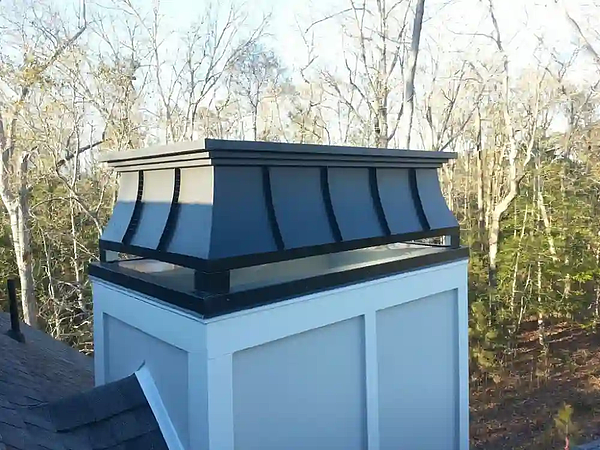
You'll need a properly designed chimney cap and possibly a height adjustment to deflect turbulence.

Most homes won't face this every day — but those that do need to be strategic. Especially if they're in exposed locations or sitting near terrain that funnels wind across the roofline.

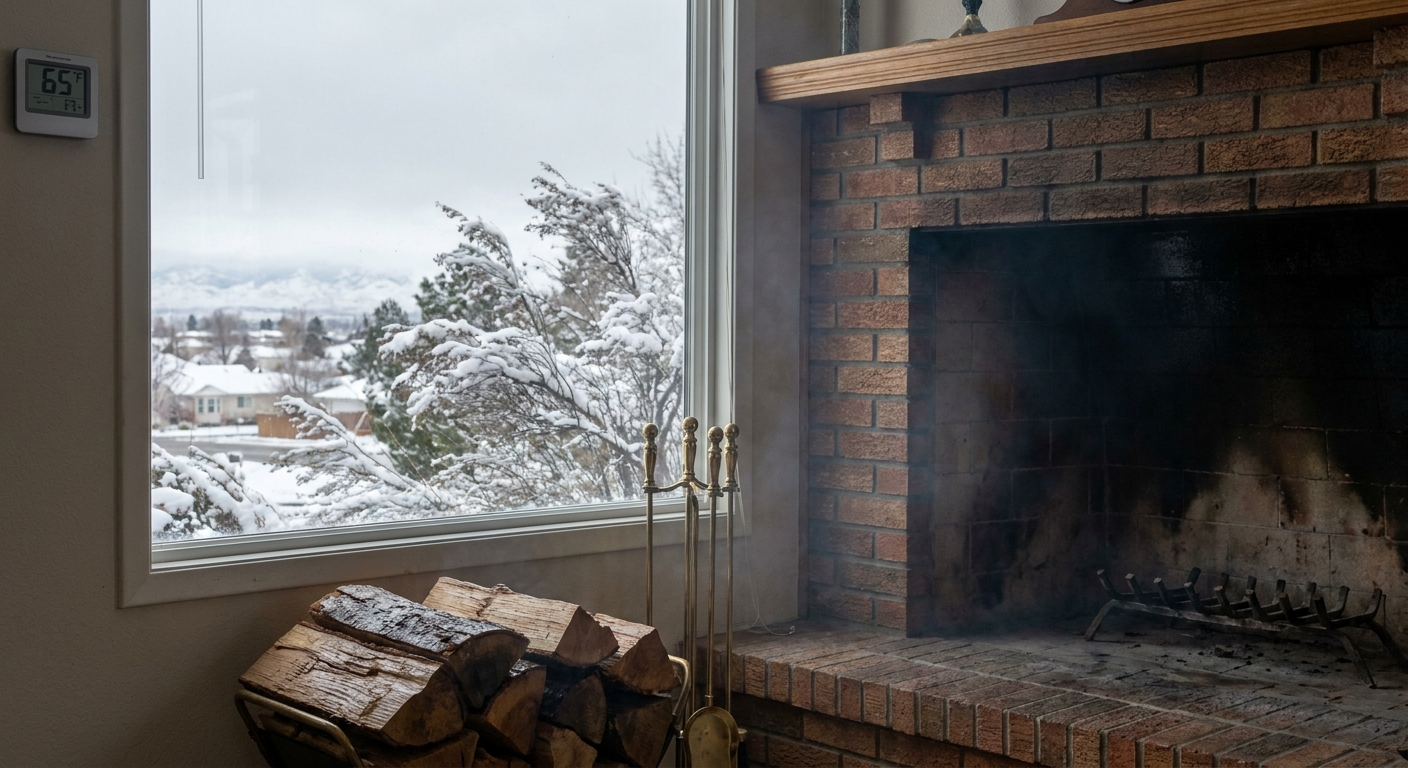
Smoke backup in Twin Falls home caused by draft and chimney issues

Your Wood Is Working Against You

Want clean burns? Use dry fuel. You'll need more than a stack behind the shed to call it seasoned.

Here's what your firewood should include:

  • Moisture content below twenty percent, verified with a meter
  • Storage in a covered, ventilated area for at least six months minimum
  • Split pieces that expose more surface area and dry faster than rounds
  • Hardwoods like oak or ash that burn hotter and produce less creosote than softwoods

If you're burning green or wet wood, expect excessive smoke and poor combustion. Mixing damp logs with your kindling is one of the fastest ways to kill your draft. So if that cord you bought last month is still heavy and smells fresh, you'd better wait another season or buy kiln-dried.

Where Most Homeowners Slip Up

Ignoring Flue Sizing and Damage

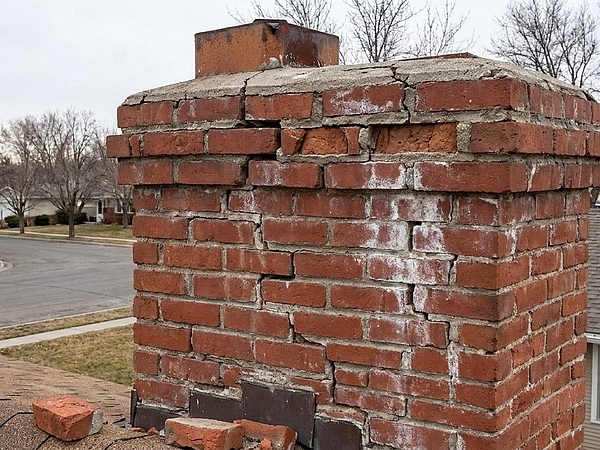
Trying to force a big fire through a small flue or assuming cracks don't matter? Draft won't cooperate. Improper dimensions and structural damage can cost you breathable air or even raise safety concerns. Most homeowners avoid disaster by scheduling inspections or bringing in a certified sweep—and plenty stay ahead by recognizing when full chimney repairs or chimney relines are non-negotiable.

Skipping the Chimney Cap

Don't assume your flue is protected just because it worked last year. Caps keep out rain, debris, and animals. If yours is missing or damaged, you're inviting blockages. And blockages mean smoke has nowhere to go but backward into your rooms.

Forgetting About Negative Pressure Altogether

If you never crack a window or install an outside air kit, smoke will find its way back eventually. Reference building science basics and don't guess. That's what HVAC professionals and chimney services are for.

Smoke That Stays Put Means Something's Wrong

Burning wood isn't the hard part. Venting it cleanly — and diagnosing why it won't leave when things go sideways — that's where homeowners get caught off guard. There's no excuse for ignoring maintenance when the solutions are straightforward. But there's also no tolerance when you ignore warning signs and let problems compound.

Taking care of your chimney system means more than just sweeping it once. It means understanding airflow, using the right fuel, addressing structural issues, and respecting how your home's ventilation interacts with combustion. Get those pieces right, and smoke goes where it belongs—up and out, not back into your Twin Falls living room.

Let’s Keep Your Twin Falls Home Smoke-Free

We all want a warm, inviting fire without the worry of smoke backing up into our living spaces. If you’re noticing draft issues or just want peace of mind before the next cold snap, let’s tackle it together. Call us at 208-695-7542 or get a free estimate and we’ll help you enjoy a safer, cleaner burn all season long.


‹ Back

Need A Free Estimate?

Reach out to us anytime, 24/7. With locations in Boise, McCall, and Twin Falls, we’re always nearby to serve you. Covering areas from Ontario, OR, to Rupert, ID, and everywhere in between, you can be confident there’s a skilled technician close to your location.