

Chimney Tips & Info

Can You Add a Wood or Gas Stove in McCall Homes?

Published August 19th, 2026 by Safer Chimney LLC

Most people see a stove as just another heat source. Something to keep the chill off. But when you're dealing with homeowner associations and building codes, it's never that simple. McCall Homes has standards — and if you don't know them before you start drilling holes or running gas lines, you're setting yourself up for expensive rework. Adding a wood or gas stove isn't impossible, but it does require homework. The kind that involves reading fine print and making phone calls before you ever contact a contractor.

Can You Add a Wood or Gas Stove in McCall Homes?

Here's what matters. If you want to install something that burns fuel and vents through your roof or wall, you need to verify that your community allows it and that local code supports your plan. Every dollar you spend should come after you've cleared those hurdles — not before. And every decision should be grounded in what the rules actually say, not what you assume they'll let slide.

The HOA Decides Before You Do

McCall Homes operates under community guidelines that govern everything from exterior paint to landscaping. Stoves fall into that same category — especially if they alter your roofline, add visible venting, or affect air quality. Wood-burning units tend to face more scrutiny because of smoke output and fire risk. Gas stoves usually get approved faster, but that's not a guarantee.

Before you shop for appliances, pull your HOA covenant. Read the section on modifications. If it's unclear, call the management office. Ask specifically about wood stoves and gas stoves, venting requirements, and whether you need architectural approval. Some communities require you to submit plans, photos, and even contractor credentials before they'll issue a green light.

Why People Want Them in the First Place

Stoves bring more than warmth — they bring autonomy. Wood-burning units work when the power doesn't, and they let you burn renewable fuel if you've got access to it. Gas stoves flip on instantly and don't require you to haul logs or sweep ash. Both can lower your reliance on central heating, which means fewer thermostat battles and potentially lower utility bills.

In McCall winters, a secondary heat source isn't just comfort — it's strategy. A well-placed stove can heat your main living area while your furnace handles the rest of the house. It also becomes a design feature, especially if you're aiming for a mountain aesthetic or trying to create a gathering spot that doesn't revolve around a screen.

What Installation Actually Involves

You can't DIY this. Both wood and gas stoves require professional stove installation, proper venting, and compliance with local building codes. Wood stoves need a chimney or insulated flue system that clears combustibles and exits safely. Gas stoves need a connection to your existing gas line and venting that prevents carbon monoxide buildup.

Hire a licensed contractor who's done this before — preferably in your area. They'll know what permits are required, what inspections you'll face, and how to handle McCall-specific quirks. They'll also help you choose the right clearance distances, floor protection, and vent placement so you don't fail inspection or void your warranty.

  • Wood stoves require a UL-listed chimney and adequate clearance from walls and ceilings
  • Gas stoves need a certified gas fitter to tie into your supply line safely
  • Both types require local building permits and post-installation inspection
  • Your HOA may require final approval photos or documentation before sign-off
  • Skipping any of these steps can result in fines, removal orders, or insurance issues

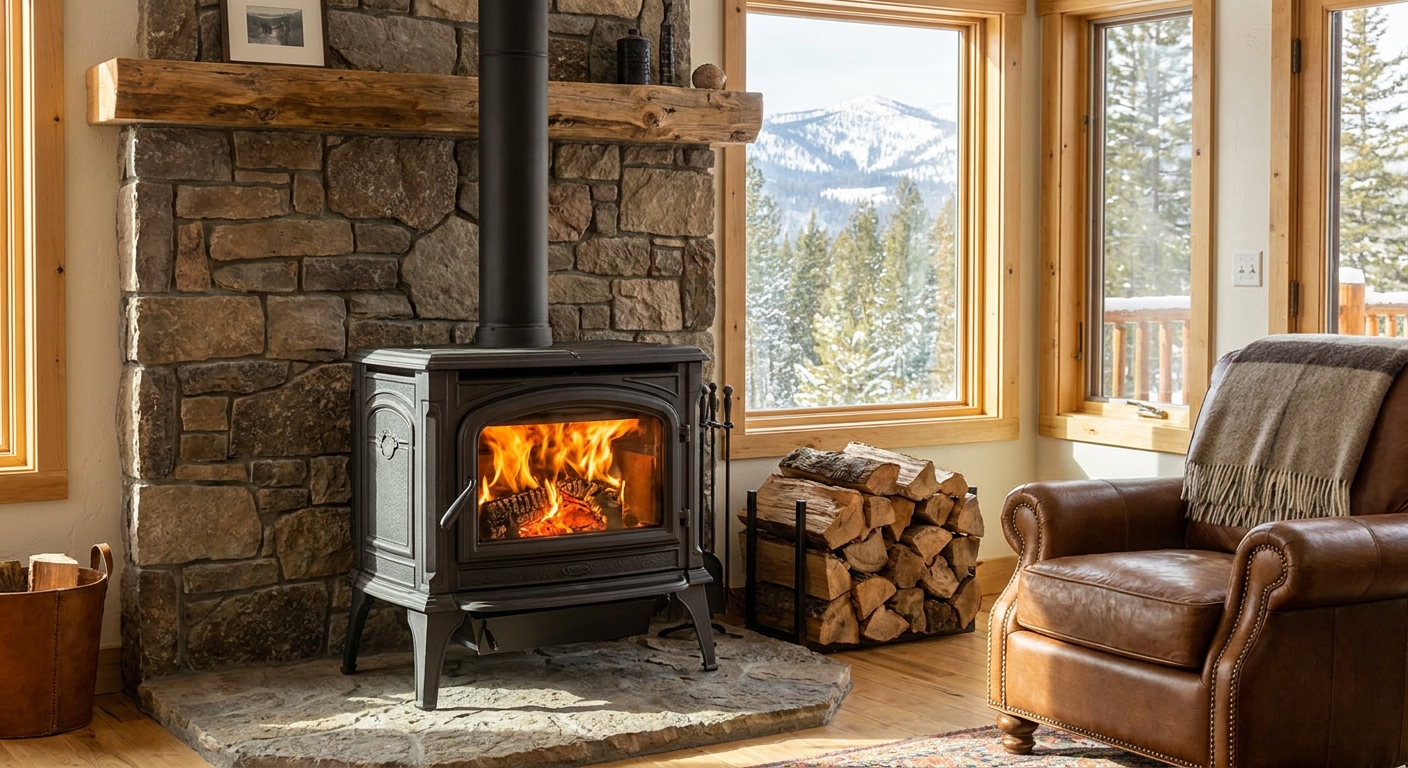
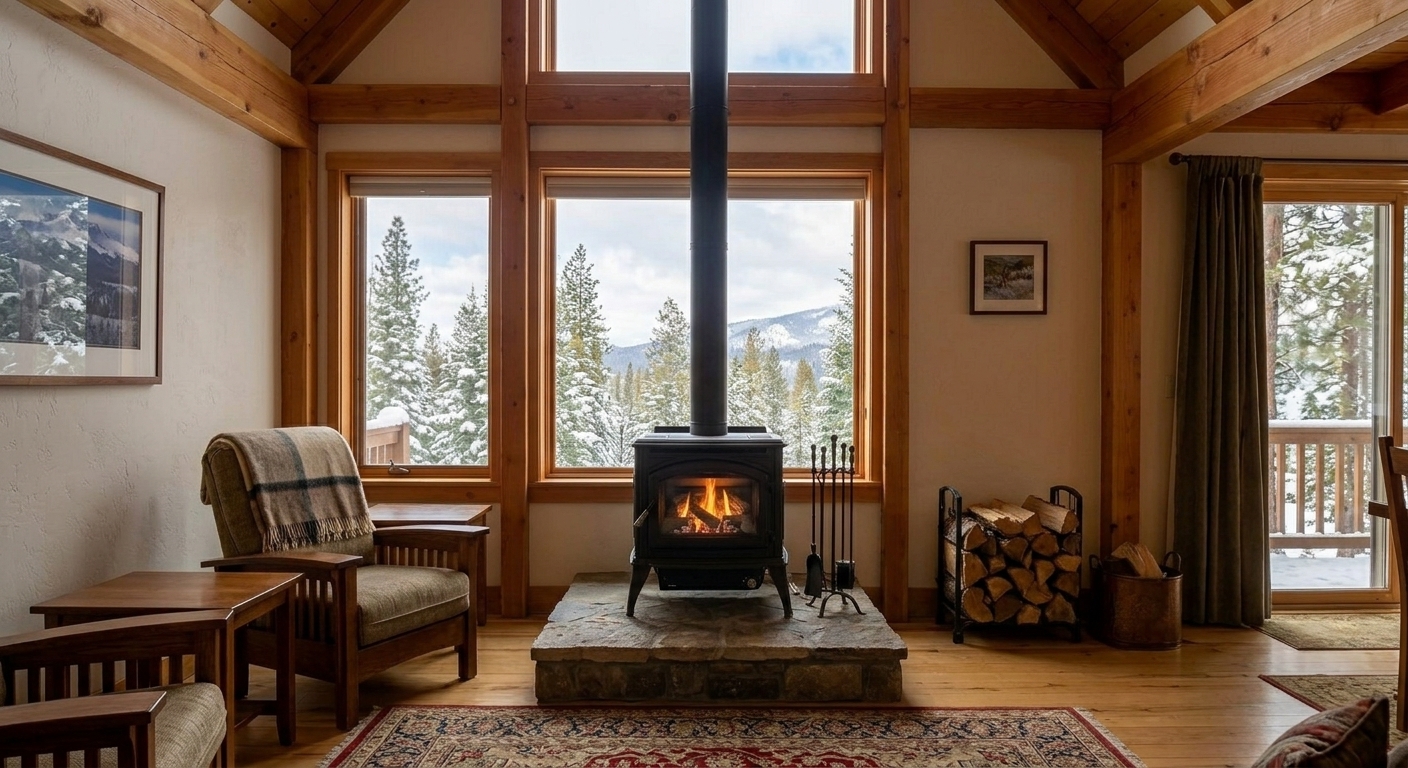
Wood or gas stove installation in McCall Homes, showing a cozy living room with a modern stove and safe venting

Budgeting Beyond the Appliance

The stove itself is just the starting point. Installation can run anywhere from a few hundred to several thousand dollars depending on venting complexity, structural modifications, and permit fees. Wood stoves often cost more to install because they need hearth pads, chimney liners, and sometimes roof reinforcement. Gas stoves can be simpler, but running new gas lines or upgrading your meter adds cost.

Factor in inspections, permits, and potential HOA fees. Then add ongoing maintenance. Wood stoves need chimney sweeps at least once a year to prevent creosote fires. Gas stoves need annual service checks to ensure the burner, thermocouple, and venting are all functioning safely. If you skip maintenance, you're gambling with efficiency and safety — and possibly your homeowner's insurance.

  • Installation costs vary widely based on venting needs and structural work
  • Permits and inspections can add several hundred dollars to your total
  • Wood stoves require annual chimney cleaning to prevent dangerous buildup
  • Gas stoves need yearly service to check for leaks and ensure safe combustion
  • Insurance may require proof of professional installation and routine maintenance

Air Quality and Safety Aren't Negotiable

Wood stoves put smoke into the air — period. Older models are worse, but even modern EPA-certified units produce emissions. If McCall Homes has air quality restrictions or if your neighbors are sensitive to smoke, that's a real issue. Burn only seasoned wood, never trash or treated lumber. And don't run the stove if local air quality alerts are in effect.

Gas stoves burn cleaner, but they're not risk-free. Improper venting can lead to carbon monoxide poisoning. Make sure you've got working CO detectors on every level of your home, and test them monthly. Follow the manufacturer's instructions on operation, and never use your stove as a primary heat source unless it's rated for that.

  • EPA-certified wood stoves reduce emissions but still require proper operation
  • Only burn dry, seasoned wood to minimize smoke and creosote
  • Gas stoves must vent properly to prevent carbon monoxide buildup indoors
  • Install and maintain carbon monoxide detectors throughout your home
  • Never bypass safety features or modify venting without professional approval

When You Need Professional Guidance

If your installation involves multiple fuel sources, complex venting, or an HOA that's been vague about approval, you're in territory where guessing gets expensive. A contractor with McCall experience will know what flies and what doesn't. They'll also handle the permit process, coordinate inspections, and make sure your final setup passes muster with both the building department and your HOA.

Don't skip the pre-installation consultation. A good contractor will assess your space, review your HOA rules, and give you a realistic timeline and budget before you commit. That's not just about avoiding surprises — it's about making sure the project actually improves your home instead of creating headaches.

  • Experienced contractors know local codes and HOA expectations inside out
  • They'll pull permits, schedule inspections, and handle required documentation
  • Pre-installation assessments help you avoid costly mistakes or plan changes
  • They can recommend models that meet efficiency and safety standards for your area
  • Professional installation protects your warranty and keeps your insurance valid

Do Your Homework Before You Commit

Adding a stove to your McCall home isn't just about picking a model and calling a contractor. It's about understanding the rules, respecting the process, and making sure every step is documented. The payoff is real — better heat, lower bills, and a space that feels more like yours. But the shortcuts are real too, and they all lead to the same place: rework, fines, or worse.

Check your HOA covenant. Verify local codes. Hire a licensed pro. Keep records of everything. That's how you turn a good idea into a finished project that actually works — and stays legal — for the long run. For more information about chimney and stove services, or to schedule a consultation with experienced professionals, visit Safer Chimney or get a free estimate today.

Ready to Warm Up Your McCall Home?

We know how important it is to get every detail right when adding a wood or gas stove to your home. Let’s make sure your installation is safe, efficient, and fully approved—so you can enjoy the comfort and peace of mind you deserve. Give us a call at 208-695-7542 or get a free estimate and let’s get your project started the right way.


‹ Back

Need A Free Estimate?

Reach out to us anytime, 24/7. With locations in Boise, McCall, and Twin Falls, we’re always nearby to serve you. Covering areas from Ontario, OR, to Rupert, ID, and everywhere in between, you can be confident there’s a skilled technician close to your location.