Chimney Tips & Info

When Should You Have Your Chimney Inspected in Nampa?

Published October 8th, 2026 by Safer Chimney LLC

Most Nampa homeowners think chimneys are set-and-forget. Light the fire, enjoy the warmth, shut it down in spring. But your chimney isn't a passive system—it's taking abuse every time you burn. Creosote buildup, freeze-thaw cracking, animal nests, and carbon monoxide risks don't announce themselves. They just wait. And if you're not inspecting regularly, you're gambling with your home and your family's safety.

When Should You Have Your Chimney Inspected in Nampa?

So here's the reality. If you're burning wood or gas in Nampa, your chimney needs eyes on it—professional eyes—at least once a year. Not because something's broken. Because something will break if you ignore it long enough. Every inspection should catch what you can't see. Every chimney cleaning should remove what you didn't know was there. And every decision about repairs should be grounded in what the chimney actually endured—not just what it looks like from the curb.

The Annual Standard Exists for a Reason

The National Fire Protection Association didn't pull the one-year rule out of thin air. Chimneys accumulate deposits, suffer weather damage, and develop blockages whether you use them daily or just a handful of times each season. That annual checkpoint isn't about frequency of use—it's about exposure. Nampa winters are cold enough that most households fire up regularly, and that means creosote is building faster than you think.

Even if your fireplace sat dormant all year, the chimney didn't. Animals nest in unused flues. Rain seeps into mortar joints. Temperature swings crack masonry. An inspection finds those issues before they escalate into structural failures or fire hazards. Skip a year, and you're rolling the dice on what's happening inside that stack.

Timing Your Inspection Around Nampa Seasons

We see the best results when homeowners schedule inspections between late spring and early fall. Why? Because chimney pros aren't swamped, the weather cooperates, and you've got time to fix what needs fixing before the first cold snap hits.

  • Availability is wider when demand drops after heating season wraps up
  • Technicians can spot exterior damage without fighting snow or ice
  • Repairs get completed before you need the system operational again
  • You're not scrambling for emergency service when everyone else wants the same thing
  • Off-season rates sometimes apply, saving you money on the same quality work

Waiting until November to think about your chimney is how you end up on a three-week waitlist with a cracked liner and no heat. Plan ahead. Schedule early. Use the system when it's actually ready.

Red Flags That Demand Immediate Attention

Annual checkups are the baseline. But certain situations push inspection to the front of the line—right now, not next season. If your chimney took a hit from severe weather, if you're smelling something off, or if smoke isn't drafting the way it used to, don't wait for your routine appointment.

  • Major storms or seismic activity can shift masonry or crack the flue
  • Odd odors or excessive smoke signal blockages or deteriorated components
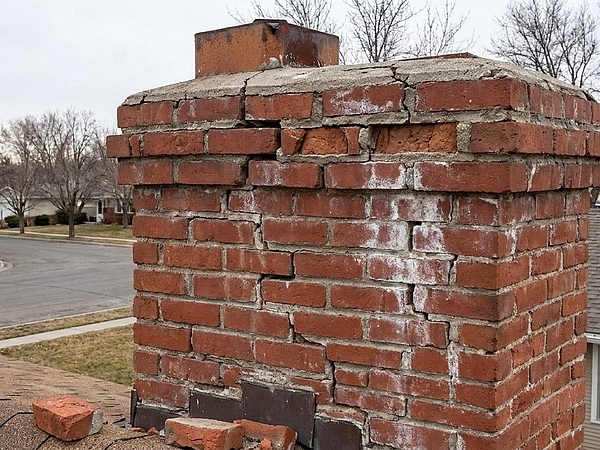
  • Visible cracks, spalling bricks, or rust mean the structure is compromised
  • Animal sounds or nests create immediate fire and carbon monoxide risks
  • Any suspected chimney fire—even a minor one—requires a full post-event inspection

These aren't things you troubleshoot yourself or put off until spring. They're safety issues that escalate fast. One inspection now beats one insurance claim later.

What Qualifies Someone to Inspect Your Chimney

Not every contractor with a ladder understands chimney systems. You want someone certified—preferably through the Chimney Safety Institute of America—who knows Nampa's climate, common masonry issues, and the codes that apply here. Certification means they've trained on current standards and passed exams that prove competency.

Check reviews. Ask for references. Make sure they provide a written report, not just a verbal "looks good to me." A real professional will document findings, photograph problem areas, and explain exactly what needs attention and why. If someone rushes through without explaining their process, find someone else.

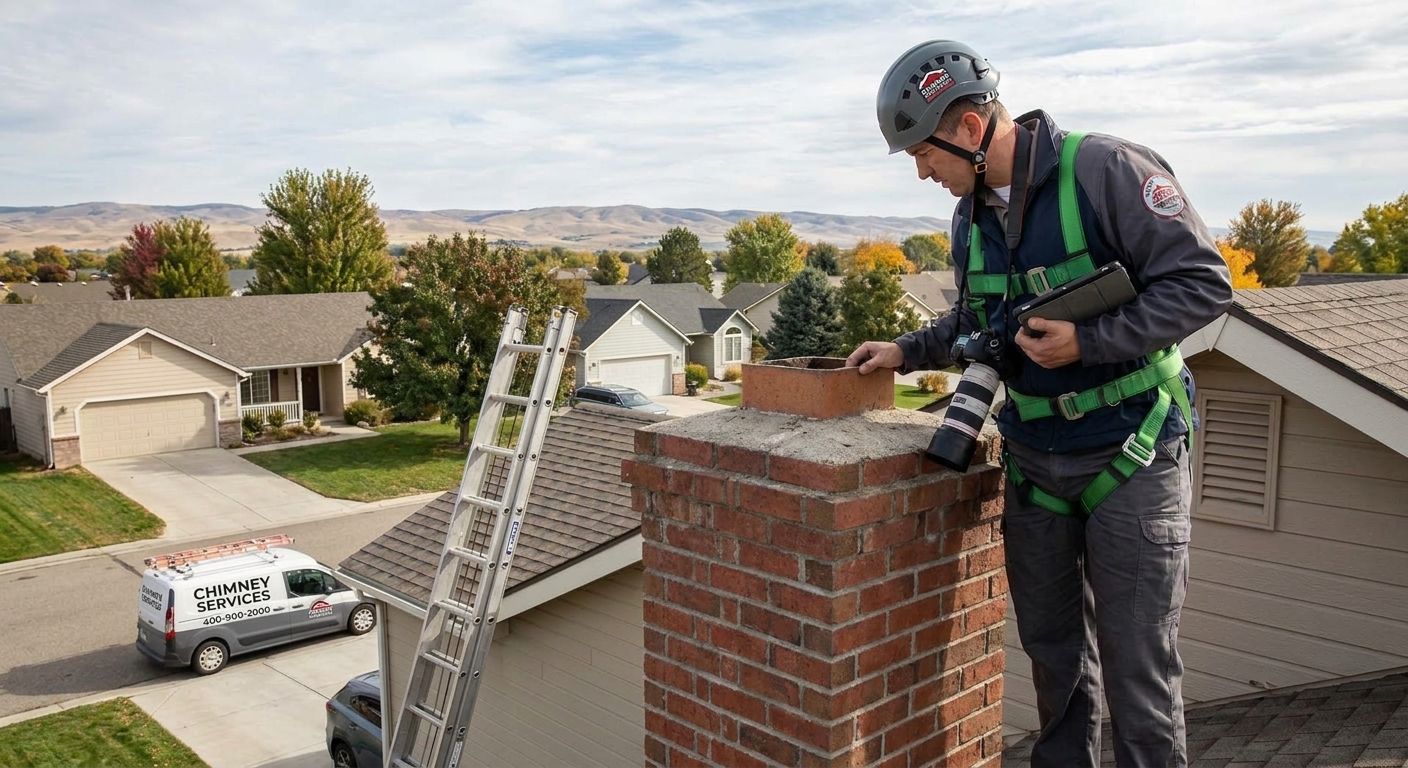
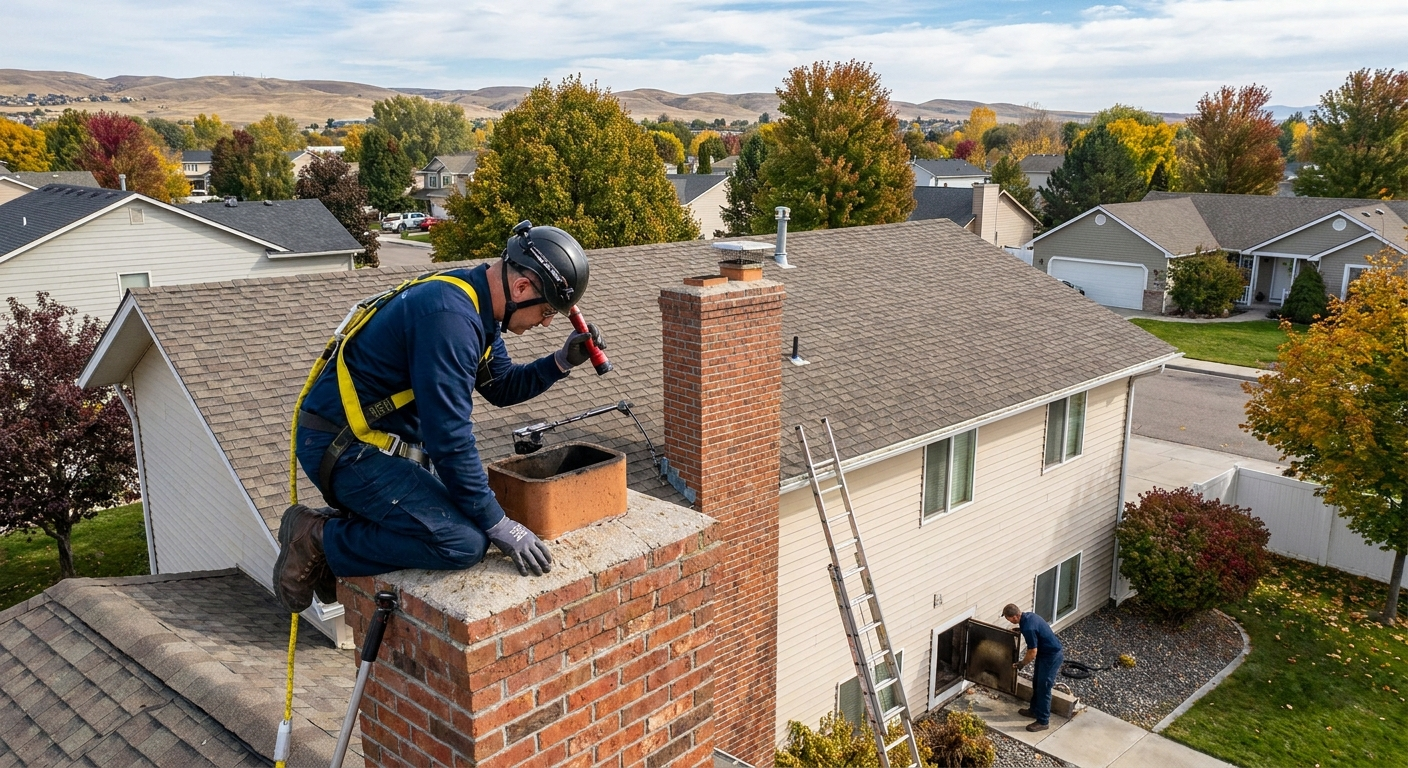
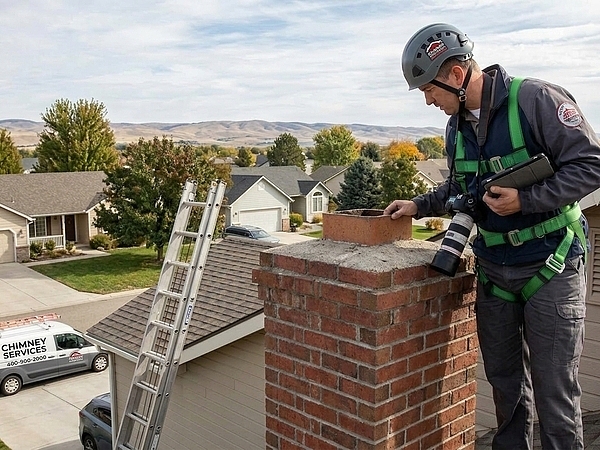
Chimney inspection in Nampa during annual maintenance check

What Gets Checked During a Full Inspection

A proper chimney inspection isn't a quick glance and a thumbs-up. Depending on the level—there are three tiers defined by industry standards—it can involve everything from visual sweeps to camera scans of the flue interior. Most annual inspections fall into Level 1, covering accessible portions of the chimney, firebox, and exterior.

  • The flue liner gets checked for cracks, gaps, or creosote thickness
  • The chimney crown and cap are examined for damage or missing components
  • Masonry joints are assessed for deterioration or moisture infiltration
  • The firebox and damper are inspected for wear, fit, and operation
  • Draft performance is tested to ensure safe venting of combustion gases

If there's been a significant event—like a chimney fire or major renovation—you'll need a Level 2 or 3 inspection, which goes deeper and may involve specialized equipment. Your inspector should tell you which level applies and why. For issues with the flue liner, you may need chimney relines to restore proper function and safety.

Documentation Backs Up Every Recommendation

Want to know if a repair is actually necessary or just upselling? Ask for photos and a detailed explanation. A trustworthy inspector won't just tell you the crown is cracked—they'll show you the crack, explain how water intrusion will worsen it, and give you a timeline for when it becomes urgent.

Keep every inspection report. They create a history of your chimney's condition, which helps future inspectors spot trends and prioritize work. If you ever sell the house, that paper trail also proves you maintained the system responsibly. And if something does go wrong, documentation protects you when insurance asks questions.

Common Mistakes Nampa Homeowners Make

We've seen the same patterns over and over. Homeowners skip inspections because everything "seems fine." They assume a chimney that's not leaking or visibly crumbling is healthy. Or they hire the cheapest bid without vetting credentials. These shortcuts don't save money—they cost more when the real problems surface.

  • Ignoring annual inspections because the chimney looks intact from the outside
  • Using the fireplace before confirming the flue is clear and functional
  • Hiring unqualified contractors who miss critical safety issues
  • Delaying repairs until minor damage becomes a major rebuild
  • Mixing DIY cleaning attempts with professional neglect, which solves nothing

These mistakes are avoidable. The fix is simple: commit to the schedule, hire qualified pros, and address issues when they're small. When damage becomes extensive, you may need full chimney repairs rather than simple maintenance. Reactive maintenance is always more expensive than preventive care.

Your Chimney Isn't Maintenance-Free

Fireplaces add value and comfort to Nampa homes. But they come with responsibility. You wouldn't drive your car for years without an oil change and expect it to run smoothly. Your chimney works the same way—it needs regular checkups, cleaning, and occasional repairs to function safely. Whether you're maintaining an existing system or considering new stove installs, proper care is essential.

The right inspection schedule keeps your system dependable and your home protected. Whether it's your first inspection or your fifteenth, treat it like the safety checkpoint it is. Because chimneys don't fix themselves, and problems don't wait for convenient timing. Missing components like chimney caps and dampers can accelerate deterioration and create safety hazards. Stay ahead of the curve, and you'll enjoy that fireplace for decades without the drama most homeowners bring on themselves. For severe structural issues, chimney rebuilds may become necessary to ensure long-term safety and performance.

Let's Keep Your Chimney Safe Year-Round

Staying proactive with your chimney maintenance means fewer surprises and more peace of mind every time you light a fire. We're here to help you protect your home and family with expert inspections and honest advice. If you're ready to schedule or have questions about your chimney's condition, give us a call at 208-695-7542 or get a free estimate and let's make sure your fireplace is ready for the season ahead.


‹ Back

Need A Free Estimate?

Reach out to us anytime, 24/7. With locations in Boise, McCall, and Twin Falls, we’re always nearby to serve you. Covering areas from Ontario, OR, to Rupert, ID, and everywhere in between, you can be confident there’s a skilled technician close to your location.