Chimney Tips & Info

When Does a Chimney in Nampa Need to Be Rebuilt?

Published November 19th, 2026 by Safer Chimney LLC

Most homeowners in Nampa think chimneys are built to last forever. Brick and mortar, right? How bad could it get? But the truth is, every chimney has a breaking point — and if you miss it, you're not just looking at repairs anymore. You're looking at a full rebuild. The difference between the two isn't always obvious until it's too late. And by then, you're dealing with water damage, structural failure, or worse — a safety hazard that should've been addressed months ago.

When Does a Chimney in Nampa Need to Be Rebuilt?

So here's what matters. If your chimney is showing signs of serious distress, patching it up won't cut it. You need to understand what qualifies as damage worth rebuilding — not just repairing. Every crack tells a story. Every loose brick is a warning. And every decision you make should be grounded in whether the structure can still do its job safely — not just whether it looks okay from the curb.

The Weather Nampa Throws at Your Chimney

Nampa's climate isn't kind to masonry. Freeze-thaw cycles hit hard here. Water seeps into tiny cracks during the day, then expands overnight when temperatures drop. That pressure breaks apart mortar joints and cracks bricks from the inside out. Add in rain, snow, and the occasional windstorm, and you've got a structure under constant assault.

Even chimneys built to code decades ago weren't designed with today's weather patterns in mind. Materials degrade. Mortar weakens. And once the protective outer layer starts failing, moisture gets in and accelerates the damage. By the time you see visible problems on the outside, the interior structure may already be compromised. That's when chimney rebuilds become the only safe option.

When Spalling Means More Than Surface Damage

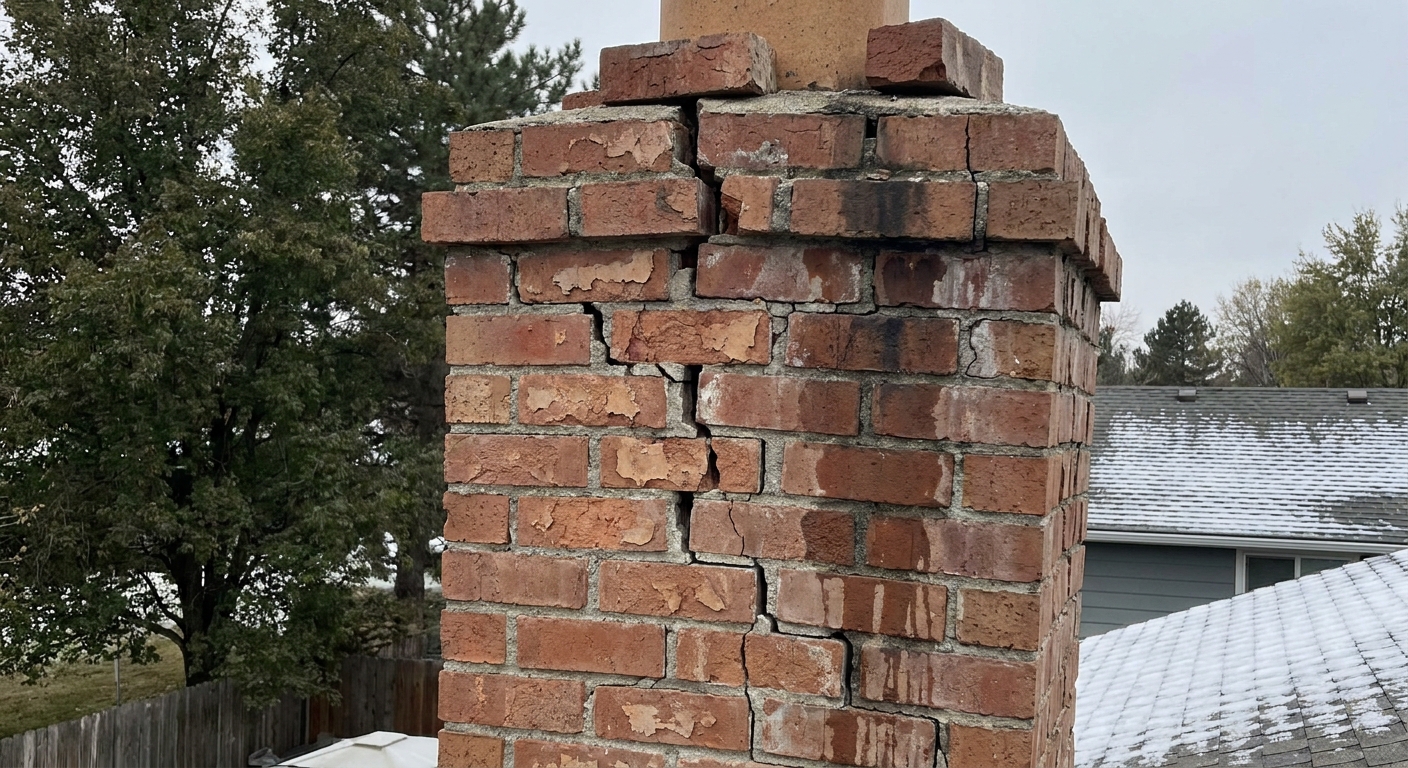
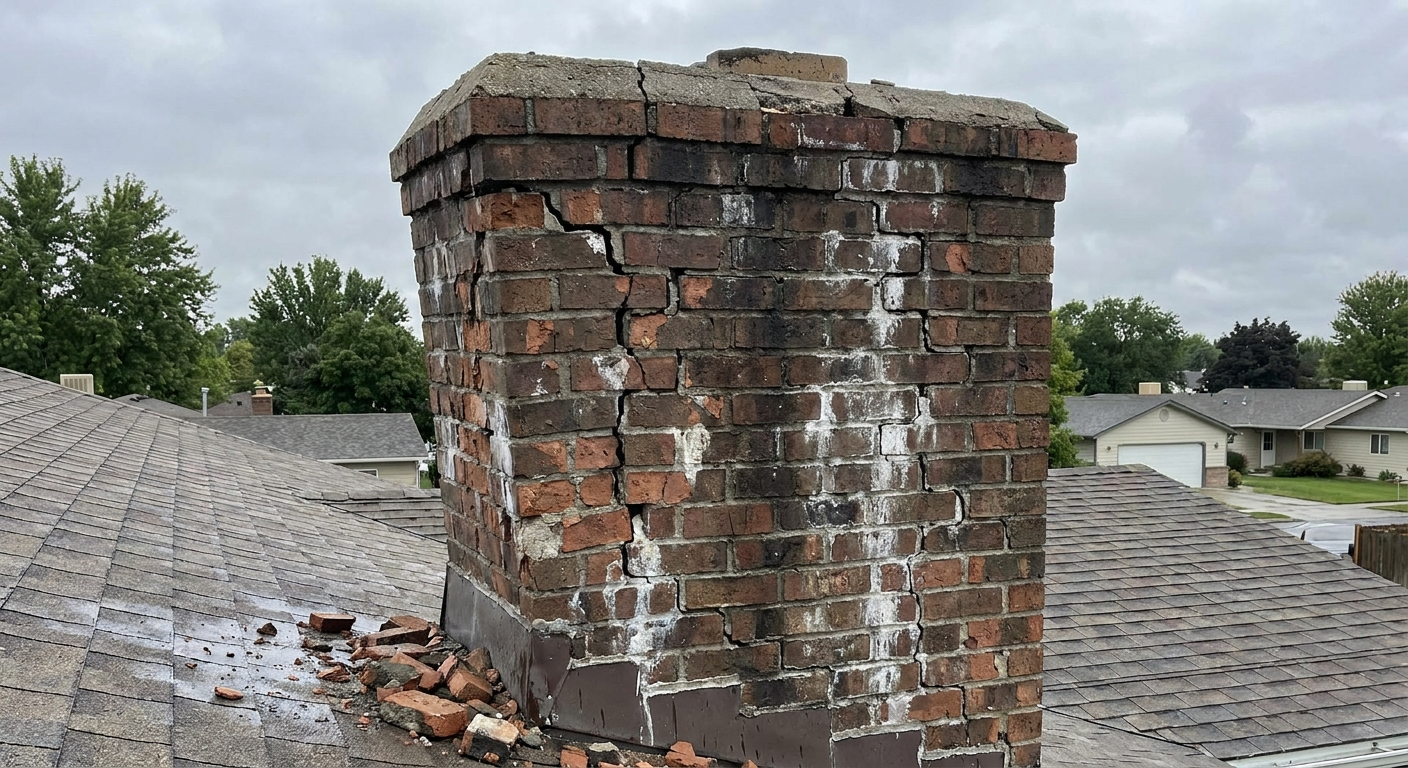
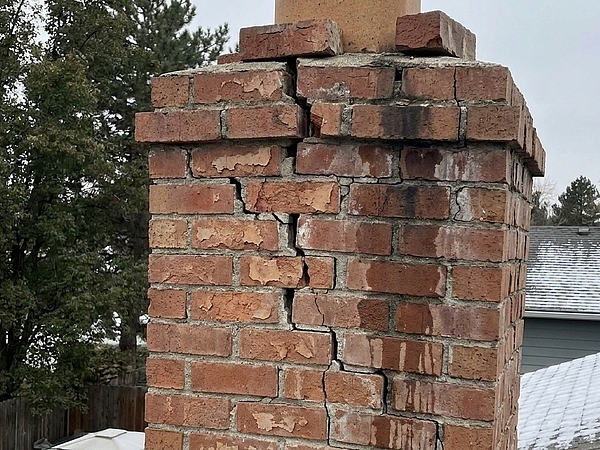
Spalling is when the face of a brick starts flaking off. It looks cosmetic at first — maybe a few bricks near the top losing their outer layer. But spalling is a symptom of deep moisture penetration. Once water gets inside the brick, it freezes, expands, and pops the surface off. If it's happening across multiple sections of your chimney, the entire structure is absorbing water.

We see this all the time in Nampa. Homeowners think they can replace a few bricks and call it done. But if the underlying cause — poor flashing, missing crown, or deteriorated mortar — isn't fixed, the spalling will continue. And once it spreads beyond a few isolated spots, you're not repairing anymore. You're rebuilding. Here's what to watch for:

  • Bricks losing their outer surface in multiple areas
  • Chunks of masonry falling onto the roof or ground
  • White powdery deposits on the chimney exterior
  • Mortar joints crumbling when you touch them
  • Visible gaps between bricks and the chimney structure

Leaning or Separating Means Foundation Trouble

If your chimney is leaning, tilting, or pulling away from the house, stop everything. This isn't a repair situation. This is a structural failure that requires immediate attention — and likely a full rebuild. Chimneys are heavy. When the foundation shifts or fails, the entire stack can become unstable.

In Nampa, soil movement and settling can cause foundation issues over time. If the chimney wasn't built on a proper footing, or if that footing has shifted, the chimney will move with it. You might notice gaps between the chimney and the siding, or cracks running up the side of the structure. These are red flags. A leaning chimney isn't just ugly — it's dangerous. And patching the cracks won't fix the root cause.

Water Stains Inside the Home Are a Dead Giveaway

When you start seeing water stains on the walls or ceiling near your chimney, the damage has already moved inside. That means the chimney crown, flashing, or masonry has failed to the point where water is flowing through the structure and into your home. By this stage, surface repairs won't solve the problem.

We've worked with homeowners who tried sealing the outside, replacing the flashing, or patching the crown — only to see the leaks continue. That's because the masonry itself has become saturated. Once the bricks and mortar are soaked, they can't dry out properly, and the freeze-thaw cycle just makes it worse. At that point, rebuilding is the only way to stop the water and restore structural integrity. Signs that water damage has gone too far include:

  • Persistent leaks despite multiple repair attempts
  • Stains or discoloration on interior walls near the chimney
  • Visible water pooling in the firebox
  • Musty odors coming from the fireplace
  • Efflorescence spreading across large sections of brick

Chimney rebuild needed in Nampa due to structural damage and weather exposure

Fire Damage Compromises Everything

Chimney fires are more common than most people realize. When creosote buildup ignites, the temperatures inside the flue can exceed 2,000 degrees. That kind of heat cracks flue liners, weakens mortar, and can even damage the bricks themselves. After a chimney fire, the structure may look fine from the outside — but the interior damage is often severe.

If your chimney has experienced a fire, it needs a full inspection before you use it again. In many cases, the flue liner will need to be replaced, and the surrounding masonry may be too compromised to repair. We've seen chimneys that passed a visual inspection fail a camera inspection because the cracks and damage were hidden inside the flue. Don't assume your chimney is safe just because it looks intact. And if the inspector recommends a rebuild, take it seriously.

Age and Neglect Catch Up Eventually

Even well-built chimneys don't last forever. After 50 or 60 years, the materials start to fail. Mortar breaks down. Bricks crack. Flashing deteriorates. And if the chimney hasn't been maintained — no inspections, no chimney cleanings, no minor repairs along the way — the damage accelerates.

In Nampa, we see older homes with chimneys that were built before modern building codes. They may not have proper flashing, adequate crowns, or even the right type of flue liner. When these chimneys start failing, piecemeal repairs don't make sense. Rebuilding with modern materials and techniques ensures the chimney will be safe, code-compliant, and built to handle another few decades of use. Key factors that push an old chimney toward rebuild territory:

  • Original construction didn't meet current safety standards
  • No documented maintenance or inspections over the years
  • Multiple failed repair attempts with ongoing issues
  • Widespread mortar deterioration across the entire structure
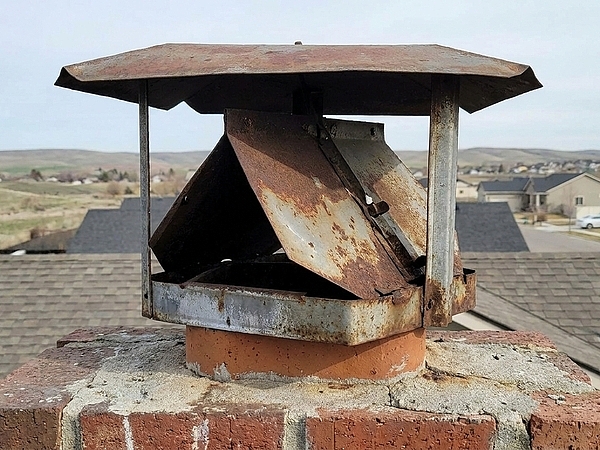
  • Missing or damaged chimney crown and cap

What a Rebuild Actually Involves

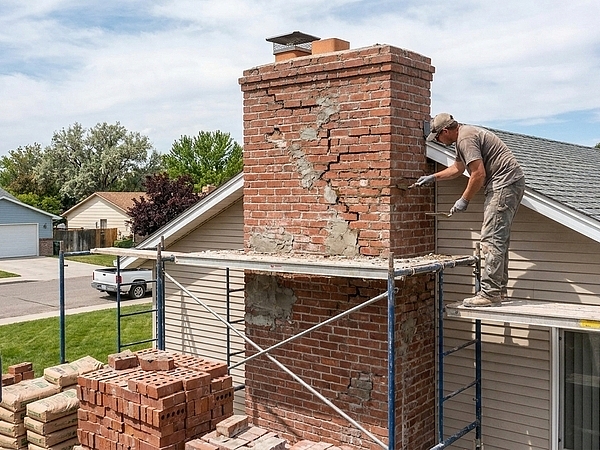
Rebuilding a chimney isn't just tearing it down and stacking new bricks. It's a process that starts with assessing the foundation, removing damaged material, and reconstructing the structure to meet current codes. Depending on the extent of the damage, you might need a partial rebuild — just the section above the roofline — or a full teardown from the foundation up.

A proper rebuild includes inspecting and repairing the footing, installing a new flue liner if needed, rebuilding the masonry with weather-resistant materials, and adding a properly designed crown and cap to keep water out. It also means ensuring the flashing is installed correctly so water can't get between the chimney and the roof. The goal isn't just to make the chimney look good — it's to make it safe and functional for years to come. What goes into a rebuild:

  • Foundation inspection and repair if needed
  • Removal of damaged bricks, mortar, and flue liner
  • Rebuilding the structure with code-compliant materials
  • Installing new flashing to prevent water intrusion
  • Adding a chimney cap and crown for long-term protection

Don't Wait Until It's a Safety Issue

The longer you wait, the worse it gets. What starts as a few cracked bricks or minor leaks can turn into a full structural failure. And when a chimney collapses or causes a house fire, the cost — both financial and personal — is far higher than the cost of a rebuild.

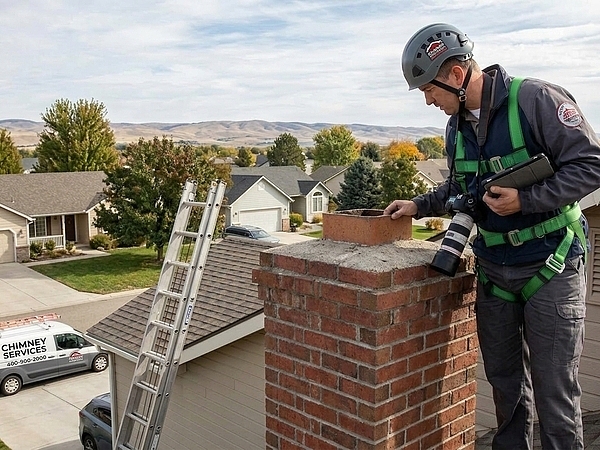
If you're seeing any of the warning signs we've covered, bring in a certified chimney professional. They'll perform a thorough inspection, document the damage, and give you an honest assessment of whether full chimney repairs will hold or a rebuild is necessary. Don't try to DIY this. Chimney work is specialized, and cutting corners can put your home and family at risk. We've guided homeowners through this process for years, and the ones who act early always come out ahead — safer, smarter, and with a chimney that actually works the way it should.

Let’s Restore Your Chimney the Right Way

We know how important it is to keep your home safe and your chimney working as it should. If you’re noticing any of these warning signs or just want peace of mind, let’s talk about the best solution for your situation. Give us a call at 208-695-7542 or get a free estimate and we’ll help you get your chimney back in top shape, ready for whatever Nampa’s weather throws at it.


‹ Back

Need A Free Estimate?

Reach out to us anytime, 24/7. With locations in Boise, McCall, and Twin Falls, we’re always nearby to serve you. Covering areas from Ontario, OR, to Rupert, ID, and everywhere in between, you can be confident there’s a skilled technician close to your location.