

Chimney Tips & Info

How Often Should You Schedule Chimney Cleaning in Boise?

Published June 24th, 2026 by Safer Chimney LLC

Most Boise homeowners think chimney cleaning is something you do when there's a problem. Smoke backing up into the living room. A weird smell that won't quit. But the reality is, if you're waiting for symptoms, you've already let it go too long. Creosote doesn't announce itself until it's thick enough to catch fire. And blockages don't send you a courtesy email before carbon monoxide starts pooling in your bedroom.

How Often Should You Schedule Chimney Cleaning in Boise?

So here's the deal. If you're burning wood through Boise winters, that flue needs attention — whether you think it does or not. Every cord of pine you burn leaves residue. Every fire you light adds another layer. And every season you skip maintenance is another roll of the dice with your home's safety and your family's health.

Creosote Builds Faster Than You Think

Creosote isn't just dirty. It's volatile. The tarry substance that clings to your chimney walls is the byproduct of incomplete combustion, and it's highly flammable. Stage three creosote — the shiny, hardened kind — can ignite at temperatures your fireplace hits regularly. Once it catches, you're not dealing with a small problem anymore. You're dealing with a chimney fire that can crack your flue liner, spread to your roof, or worse.

In Boise, where softwoods like pine and fir dominate the firewood market, creosote accumulates faster than it would with hardwoods. That means the clock is ticking whether you burn daily or just on weekends. The National Fire Protection Association says chimneys should be inspected annually — but that's the floor, not the ceiling. Depending on usage, you might need professional chimney cleanings twice a year or more.

Usage Patterns Dictate the Schedule

How often you light a fire matters more than how nice your chimney looks from the curb. A fireplace used sporadically — a handful of cozy evenings each winter — might only need cleaning every couple of years. But if you're burning regularly from October through March, you're in different territory. Daily use means daily buildup, and that flue won't stay clear on its own.

Heavy users need to treat chimney cleaning like an oil change, not a once-in-a-while chore. If your wood stove is your primary heat source, you're looking at multiple cleanings per season. The creosote doesn't care about your schedule. It just keeps stacking up until someone deals with it.

  • Occasional use — a few fires per season — may only require inspection with cleaning every other year
  • Regular use throughout winter months calls for at least one annual cleaning before heating season starts
  • Daily burning, especially with softwoods, demands cleaning twice a year or more depending on buildup
  • Wood stoves used as primary heat sources need aggressive maintenance schedules
  • Gas fireplaces still need annual inspections even though they don't produce creosote

Boise's Climate Adds Its Own Twist

Cold winters mean more fires. More fires mean more residue. And the dry air that makes Boise summers bearable also means dust, debris, and everything else that blows around ends up somewhere — including down your chimney. Birds nest in spring. Leaves fall in autumn. And all of it can block airflow or create flash points when you fire up the stove in November.

The wood available locally compounds the issue. Softwoods burn hotter and faster, but they also deposit more creosote per cord than oak or maple. If you're not paying attention to moisture content — burning green or unseasoned wood — you're multiplying the problem. Wet wood smolders instead of burning clean, and that incomplete combustion sends even more gunk up the flue.

Warning Signs You're Overdue

Your chimney will tell you when it's struggling. The question is whether you're listening. A strong smoky odor that lingers even when the fireplace is cold means creosote is present and probably thick. Smoke rolling back into your room instead of drafting up the flue signals a blockage or buildup restricting airflow. And if you're having trouble getting fires to start or stay lit, your chimney isn't doing its job anymore.

Visible soot on the damper or firebox walls is another red flag. So is hearing scratching or chirping from inside the flue — that's animals, and they bring nesting material that's both a fire hazard and an obstruction. Don't wait for these signs to become emergencies. Once smoke is pouring into your living room or you smell something burning that shouldn't be, you've already crossed the line from maintenance into damage control.

  • Persistent smoky smell even when fireplace isn't in use
  • Smoke entering the room instead of venting properly
  • Black, tarry buildup visible on damper or chimney walls
  • Animal sounds or debris falling into the firebox
  • Difficulty lighting fires or keeping them going

Chimney cleaning frequency and maintenance in Boise, Idaho

Professional Sweeps Catch What You Can't See

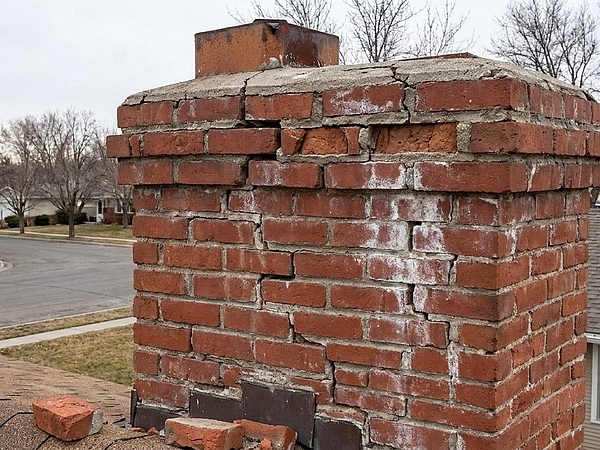
Climbing on your roof with a brush and hoping for the best isn't a maintenance plan. Professional chimney sweeps have cameras, specialized brushes, and the training to spot structural problems before they become catastrophic. Cracks in the flue liner. Water damage eating away at the mortar. Loose bricks that could collapse under heat stress. These aren't things you'll notice from the hearth, but they're exactly the kind of issues that turn a routine fire into a house-destroying event.

In Boise, there are certified sweeps who understand local conditions — the wood types, the weather patterns, the building codes. They'll clean thoroughly, inspect carefully, and give you a realistic timeline for when you need service again. That's worth more than any DIY video you'll find online. For more extensive issues, you may need full chimney repairs to address structural damage.

Prevention Beats Panic Every Time

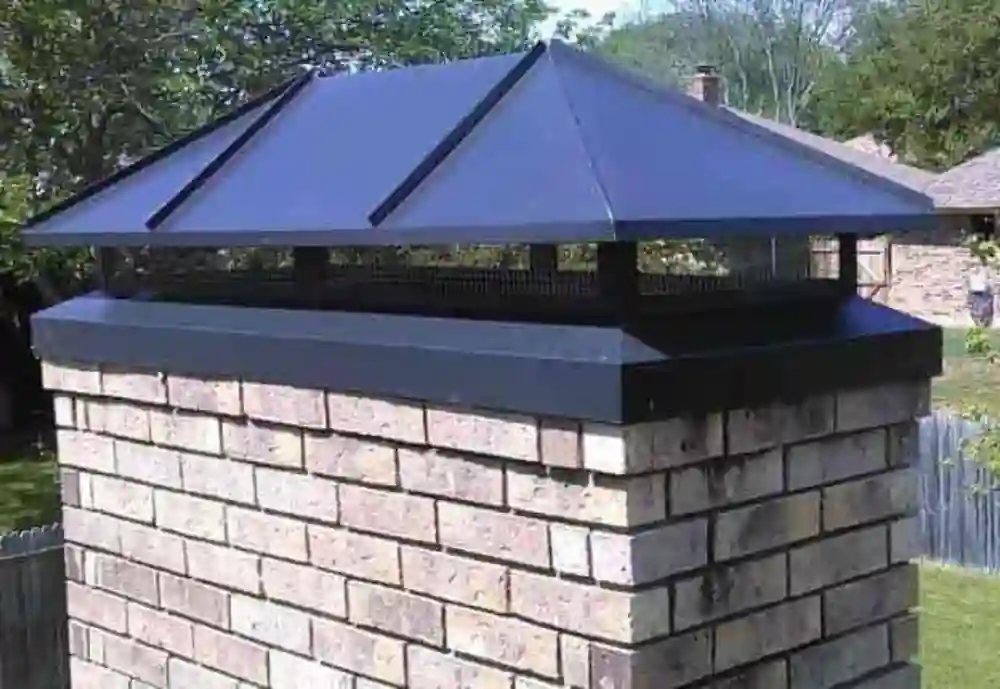
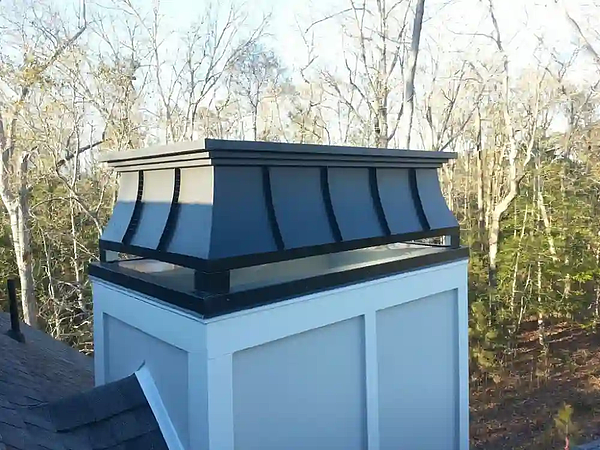
Want to stretch the time between cleanings without gambling with safety? Burn seasoned hardwoods whenever possible — they produce less creosote and burn cleaner. Install a chimney cap to keep animals, rain, and debris out of the flue. And don't treat your fireplace like a trash incinerator. Burning cardboard, treated wood, or garbage creates toxic buildup that's harder to remove and more dangerous to inhale.

Annual inspections should be non-negotiable, even if you don't think you need cleaning. A trained eye can spot early warning signs and address them before they escalate. Waiting until something breaks or catches fire is the most expensive way to learn this lesson.

  • Burn only seasoned hardwoods with moisture content below 20 percent
  • Install and maintain a quality chimney cap to block debris and animals
  • Never burn treated wood, cardboard, or household trash in your fireplace
  • Schedule inspections annually regardless of visible buildup
  • Address minor repairs immediately before they become structural failures

Documentation Protects You Later

Keep records of every inspection and cleaning. If something does go wrong — a fire, a carbon monoxide incident, an insurance claim — you'll need proof that you maintained the chimney responsibly. Receipts, inspection reports, and service notes create a paper trail that shows you took this seriously. It's not just about compliance. It's about protecting your investment and your family.

  • Save all inspection and cleaning receipts with dated service records
  • Request written reports from chimney sweeps detailing findings and recommendations
  • Photograph your chimney's condition before and after major cleanings
  • Document any repairs or upgrades made to the chimney system
  • Keep a log of usage patterns and fuel types burned each season

Maintenance That Actually Works

Chimney cleaning in Boise isn't a suggestion. It's a requirement for anyone burning wood regularly. The frequency depends on how hard you push your fireplace, what you're burning, and how well you've maintained it historically. But one thing doesn't change — neglect always costs more than prevention. Whether you're scheduling your first inspection or your fiftieth, the math is simple. Clean chimneys don't catch fire. Blocked chimneys kill people. And the difference between the two is a phone call and a couple hundred dollars.

If you've been putting it off, stop. If you've never had it done, start. And if you think your chimney is fine because nothing bad has happened yet, understand that's not how safety works. The creosote doesn't care about your luck. It just waits for the right conditions. Don't give it the chance. Visit our services page to learn more about comprehensive chimney care, or get a free estimate today.

Ready for a Safer, Cleaner Chimney?

Let's make sure your home stays safe and your fireplace is ready for every Boise winter. When we handle your chimney cleaning, you get peace of mind and a team that treats your home like our own. Give us a call at 208-695-7542 or get a free estimate and let’s take care of your chimney the right way.


‹ Back

Need A Free Estimate?

Reach out to us anytime, 24/7. With locations in Boise, McCall, and Twin Falls, we’re always nearby to serve you. Covering areas from Ontario, OR, to Rupert, ID, and everywhere in between, you can be confident there’s a skilled technician close to your location.